

Ramen has a reputation problem. Mention it in a conversation about eating well and someone will usually wince, as if you'd suggested a plate of deep-fried everything. I think that reaction says more about how little we know about ramen calories than about the dish itself.
The truth is more interesting. A ramen bowl can be a balanced, satisfying meal or a full day's worth of energy in one sitting. The difference comes down to style, portion, toppings, and one habit most of us never think about: how much of the broth we drink.
So let's look at what's actually in your bowl, with real numbers instead of guilt.
Ramen Calories: How Many Calories Are in a Ramen Bowl?
A restaurant ramen bowl can range from roughly a few hundred calories to well over 1,000 depending on noodle portion, broth, oil and toppings. Rich or oversized styles can climb much higher. Leaving some of the soup behind can reduce both calorie and sodium intake, especially in richer bowls. That's a useful baseline, though the range shifts a lot depending on the style.
Here's how the main styles compare, as illustrative estimates from specific recipes and bowls:

What surprised me most when I started reading into the calories in ramen is where they come from. In a typical bowl, Noodles often account for a substantial share of a ramen bowl’s calories, but broth, aromatic oils and toppings can contribute significantly depending on the style. We tend to blame the soup, but the noodles carry the most weight.
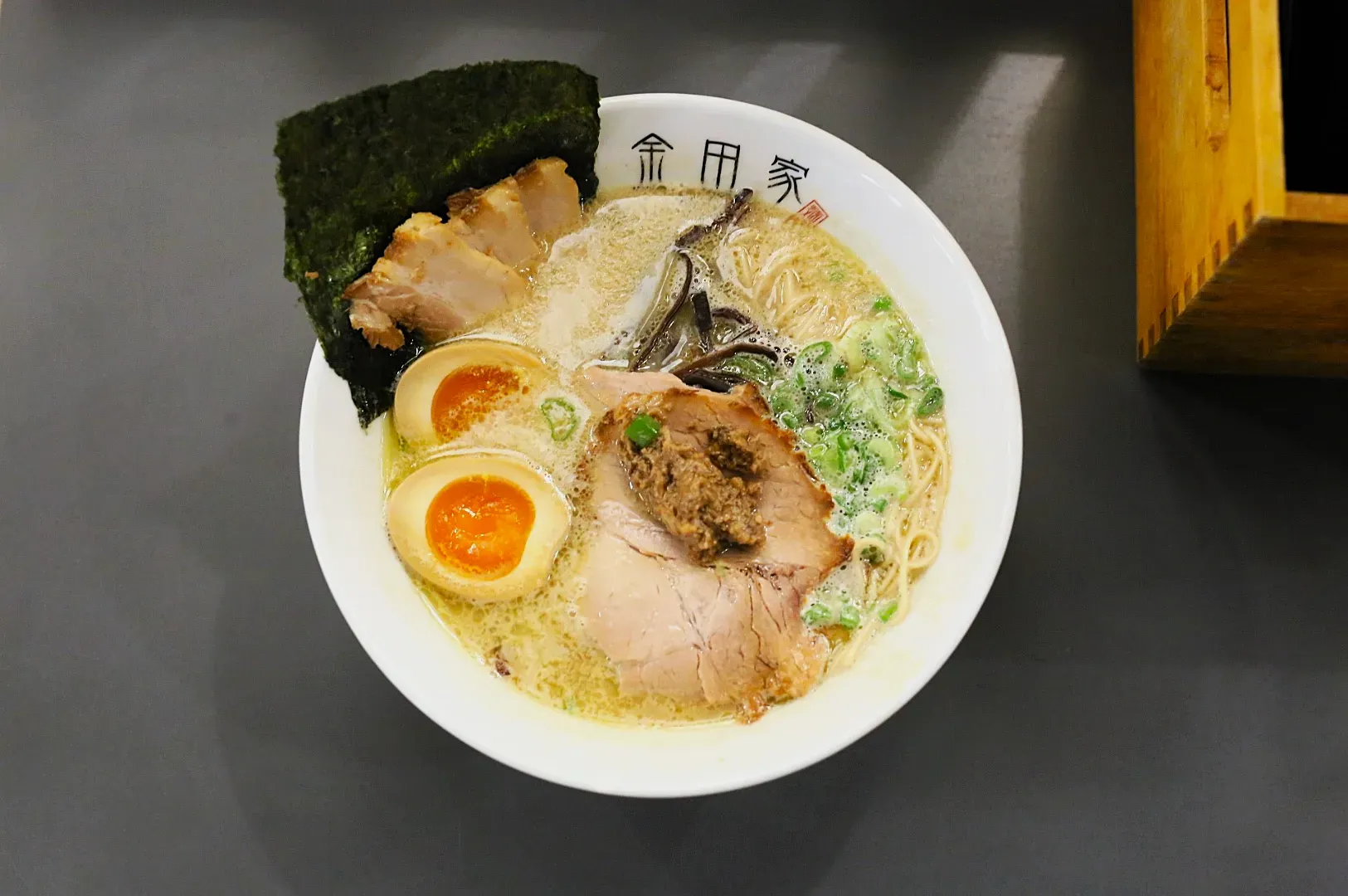
Broth still matters, though. Light, clear soups like shio or chicken-based shoyu are gentler than cloudy, fatty ones. A creamy tonkotsu ramen built on pork bone broth will naturally carry more calories than a transparent chicken and vegetable stock. Rich miso sits on the heavier side too.
Insider knowledge: Many of the bowls popular in Singapore lean toward the richer end, like tonkotsu and spicy miso. These styles are easy to love, but they aren't the "average" bowl. If you're tracking calories, expect rich tonkotsu, spicy miso and heavily topped bowls to sit toward the higher end of the range.
Ramen Noodles and Ramen Nutrition
Ramen noodles are made mainly from wheat, which makes them carbohydrate-heavy. A standard portion in Japan is about 130 to 180 grams before boiling. Once cooked, 130 grams of fresh noodles swell to roughly 200 grams.
The carb count follows. Every 100 grams of boiled noodles holds about 27 grams of carbohydrates, so a full portion easily passes 50 grams. These carbs are mostly starch rather than sugar, but your body still turns starch into glucose. That's a big part of why a large noodle portion feels so heavy.
The numbers per 100 grams can look confusing at first, so here's a simple way to read them:

B. Miso Ramen: Matching Bold Flavours With Smoky Seafood
Miso ramen brings a different kind of depth. Fermented soybean paste gives the broth a savoury, slightly salty complexity, layered with stronger umami notes and often a swirl of chili oil or a base of soy sauce. It is hearty and full-bodied, the sort of bowl that lingers.
Dry noodles look alarming on paper, but the cooking process adds water. Boiling lowers the calories per 100 grams without removing any calories from the dry portion itself. I've found it helps to compare cooked with cooked and dry with dry. Otherwise you end up comparing apples with very wet apples.
What about nutritional value beyond energy? Honestly, the noodles don't offer much. Rice and gluten-free ramen exist too, but they aren't necessarily lower in calories. The more interesting ramen nutrition story sits in the broth and toppings. Broth can contribute small amounts of minerals and other nutrients depending on the ingredients used, while most of the fibre and many vitamins in a ramen bowl come from the vegetables and toppings rather than the strained stock itself. Eggs and pork add protein, while bamboo shoots bring fiber for very few calories. Green onions add vitamin C and calcium.
Instant Ramen vs Restaurant Ramen Calories
This is where a lot of the bad press comes from. When people say ramen is unhealthy, I think they're often picturing instant ramen eaten late at night, straight from the pot.
Packaged ramen noodles are calorie-dense by weight. Raw instant noodles sit around 470 kcal per 100 grams. The bigger concern for many readers, though, is the flavor packet. Instant noodle seasoning can be very salty, and since it dissolves straight into your broth, it's easy to consume all of it without noticing.
Restaurant ramen often includes more varied ingredients, such as meat, eggs and vegetables, than a plain packet of instant noodles, though its overall nutrition still depends heavily on the broth, toppings and portion. A proper bowl usually includes slow-cooked broth, a protein topping, and some vegetables. It's designed to be a complete meal, not a quick snack.
Restaurant ramen often includes more varied ingredients, such as meat, eggs and vegetables, than a plain packet of instant noodles, though its overall nutrition still depends heavily on the broth, toppings and portion
That doesn't make every restaurant bowl a health food. Rich broths, extra chashu, and fried sides can add many calories quickly. Still, restaurant ramen generally gives you more to work with nutritionally than a block of instant noodles and a sachet of seasoning.
Pro tip: If instant ramen is your go-to on busy nights, start with half the flavor packet. Taste first, then add more only if you really need it. You'll often find half is plenty.
3. Light Ramen And Traditional Sushi: Keeping Flavours Delicate

How to Make Ramen Healthier

I'm not a fan of advice that makes food feel like homework. The good news is that making ramen healthier mostly comes down to small, sensible tweaks rather than giving anything up.
Build up the toppings. Vegetables and protein make a bowl more filling and improve its overall balance. A soft boiled egg adds protein and richness. Tofu is a lighter protein option, while chicken works well too. For green veggies, bok choy and spinach wilt beautifully into hot broth. Bean sprouts add crunch, mushrooms bring depth, and green onions or scallions add freshness. If you cook at home, cabbage, carrots, and corn are easy, budget-friendly additions alongside bok choy and other green veggies.
Be thoughtful about the broth. Most of the salt lives in the soup. Ramen can contain several grams of salt in a single bowl, particularly when much of the soup is consumed. WHO recommends adults keep total daily salt intake below 5 g. Leaving some of the broth can meaningfully reduce sodium intake because much of a ramen bowl’s salt is contained in the soup.
Adjust the seasoning at home. When you cook instant ramen, reduce or skip the flavor packet and lean on aromatics instead. Garlic, ginger, and scallions add flavor without a heavy sodium load.
Use condiments wisely. Hot sauce can add plenty of flavor, and a little goes a long way. Soy sauce is trickier. It's easy to splash extra shoyu into a bowl that's already well seasoned, and every splash adds more sodium.
Match your style to your day. If you've had a heavy lunch, consider a lighter shio or clear shoyu bowl later. Save the rich tonkotsu ramen for when you really want it.
Insider knowledge: If you eat ramen often, practical habits such as drinking less broth, choosing water instead of sugary drinks and balancing ramen with an otherwise varied diet can help keep the meal in perspective.
Common Mistakes to Avoid When Counting Ramen Calories
Drinking all the broth by default. I get it. The broth is often the best part. But finishing every drop adds both calories and a large amount of sodium. Think of the broth as something you enjoy, not something you're obliged to finish.
Leaning too hard on fatty toppings. Extra chashu, rich pork belly, and added oils can push saturated fat up quickly. Pork is a solid source of protein, but it's often the fattiest topping in the bowl. Balancing it with vegetables or an egg keeps the meal more rounded.
Forgetting about sodium from condiments. People often count the broth and forget the extras. Soy sauce, salty seasonings, and the full flavor packet all add up, especially if your bowl was already salty.
Ordering sides by habit. A proper ramen bowl is a full meal on its own. Adding fried sides on top quickly closes the calorie gap between ramen and fast food.
Judging every bowl by its worst version. Ramen ranges from relatively modest clear-broth bowls to extremely large, heavily topped Jiro-style servings. Writing off the whole dish because of one extreme isn't fair to the dish, or to you.
Frequently Asked Questions: What Ramen Contains, From Tonkotsu to Miso Ramen
How many calories are in a ramen bowl?
There is no single standard calorie count for restaurant ramen. A bowl may contain a few hundred calories, while rich, heavily topped or oversized versions can exceed 1,000.
Is tonkotsu ramen high in calories?
Generally, yes, compared with lighter styles. Tonkotsu ramen uses a cloudy pork bone broth, which carries more fat and more calories than clear chicken or vegetable stocks. It can still fit into a balanced week. It just shouldn't be mistaken for a light option.
Is miso ramen healthier?
Not necessarily. Miso ramen can be more calorie-dense than a light shio or shoyu bowl because it often includes richer seasoning, oils and toppings, but the total varies by recipe and portion.
How much sodium does a bowl of ramen contain?
Ramen can contain several grams of salt in one serving, although the amount varies considerably by recipe and portion. Much of that salt is in the soup, so leaving some broth can meaningfully reduce your intake. WHO recommends adults consume less than 5 g of salt per day.
Can ramen fit into a healthy diet?
I think it can. Choose lighter styles more often, add vegetables and protein, leave some broth, and skip unnecessary sides. If you have high blood pressure or have been advised to limit sodium, it's worth speaking with your doctor about how often ramen fits into your routine.
Final Thoughts on Ramen Calories
Ramen doesn't deserve its villain status, but it doesn't deserve blind trust either. The calories in ramen depend on the choices behind each bowl: the broth, the noodle portion, the toppings, and how much soup you finish.
In my experience, the most useful mindset is curiosity rather than guilt. Know what a bowl roughly contains, notice which styles feel heavier, and make small adjustments that suit your day. Add the green veggies, go easy on the soy sauce, and leave a little broth behind.
Then enjoy it. A well-made ramen bowl is one of the most comforting meals there is, and understanding it should only make you appreciate it more.