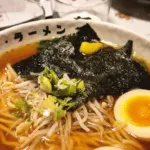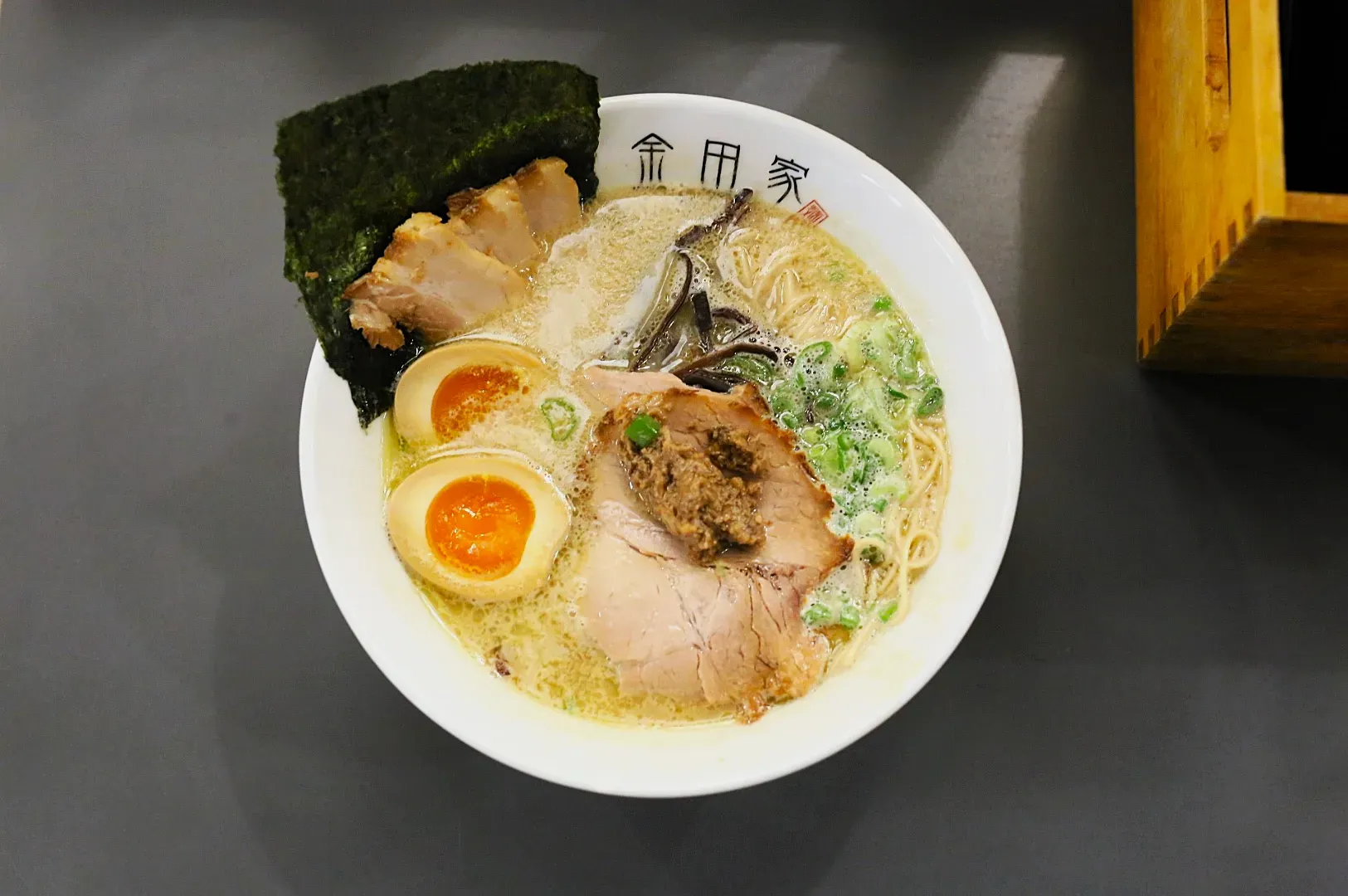


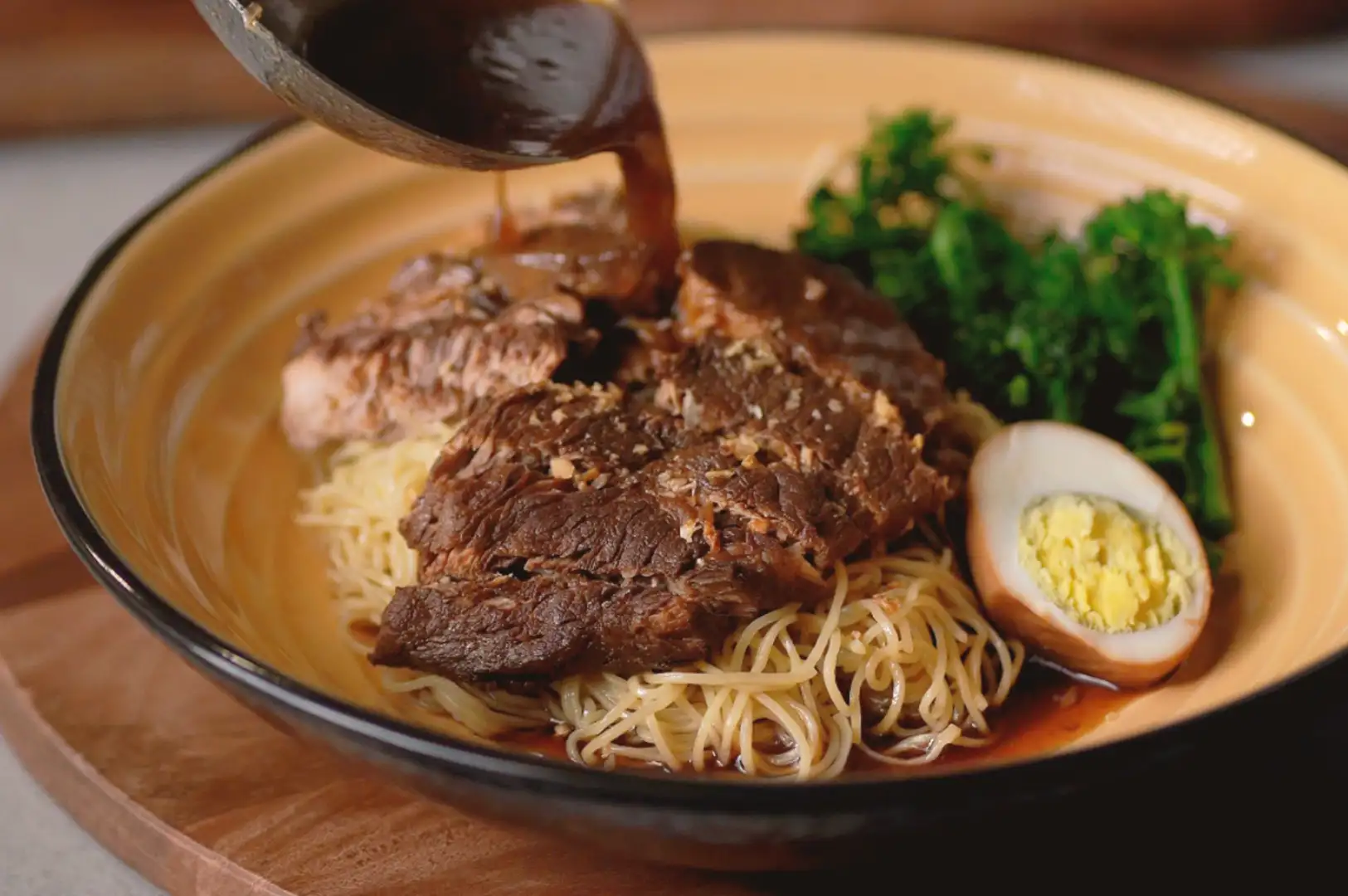
When most of us picture a bowl of ramen, the image arrives fully formed. A cloudy, creamy broth. A curl of chashu at the edge. A jammy egg split open, its yolk glowing like a small sunset. That picture is beautiful and well earned, but it's only one bowl.
I've been thinking about the other side of ramen: the bowls that don't follow the familiar script. Ramen with beef is one of the most interesting places to start. It isn't a rejection of the classic. It's a reminder that ramen has always been more flexible, more curious, and more open to change than its most famous images suggest.
So let's look closely at what happens when beef enters the bowl, and why it matters for anyone who loves noodles.
First, a Quick Myth to Clear Up
It's easy to assume that "real" ramen means pork. Tonkotsu, the rich pork-bone style, has become so popular overseas that it can feel like the default. Some ramen guides describe pork-based tonkotsu as the most common stock, but that's far from the whole picture.
Ramen stock can be built from chicken, seafood, dashi, vegetables, and combinations of these. Some broader histories of ramen broth also note that stock can be simmered from chicken, beef, or pork bones, often alongside dashi. Many cooks blend their stocks, so one shop's version of a style might taste quite different from another's.
I find this freeing. Once you stop treating pork as the only "authentic" path, you can taste ramen with beef for what it actually is, rather than as a substitute for something else.
Ramen Has Always Been a Story of Adaptation
Ramen's history supports that openness. Its roots trace back to Chinese noodle traditions. Chinese cooks in Japan's port cities introduced noodle dishes that were gradually adapted for local diners. In 1910, Rairaiken opened in Tokyo's Asakusa district and became an influential landmark in ramen's commercial story.
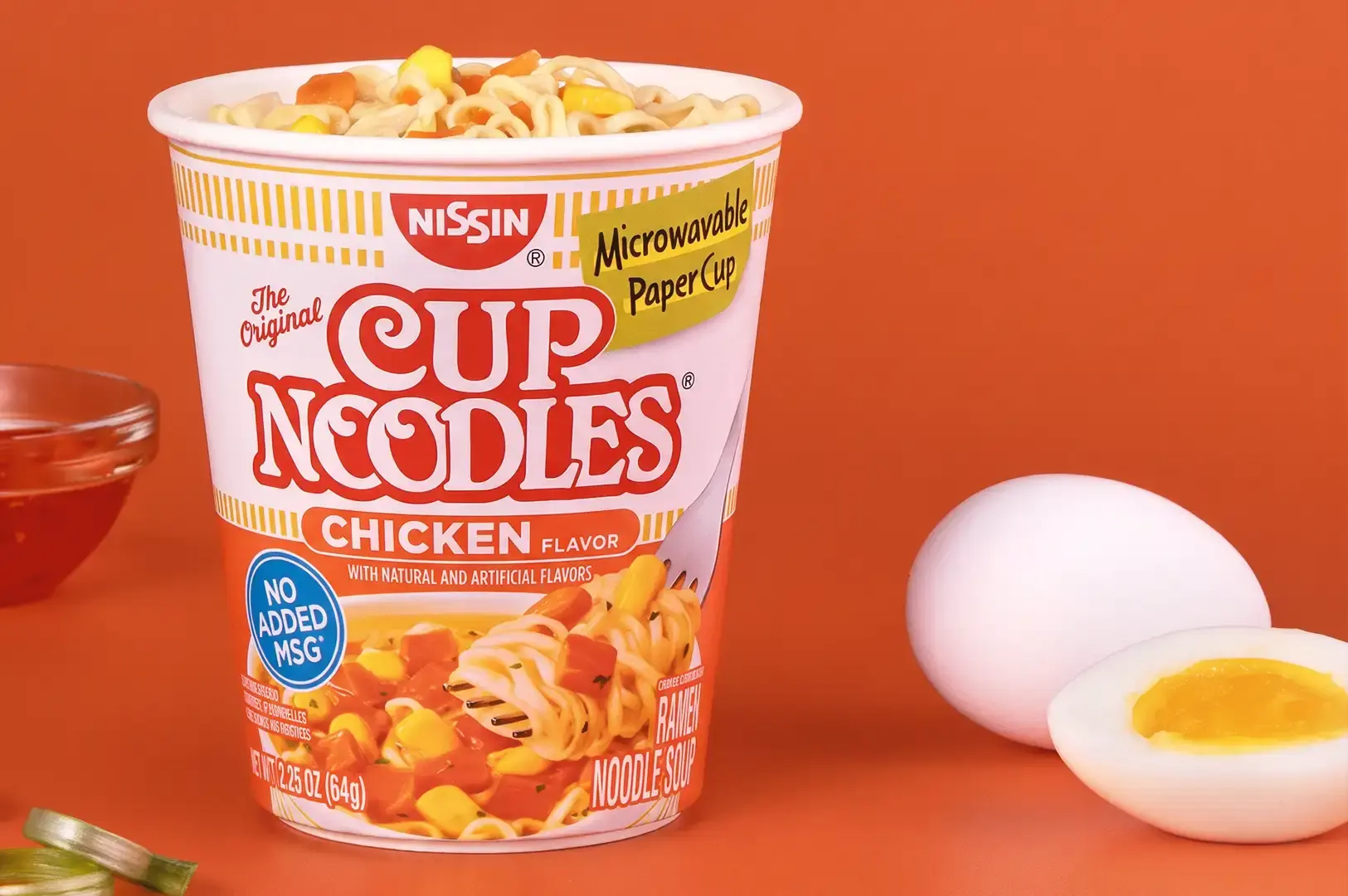
From there, ramen spread through postwar street stalls, grew into proud regional styles, and was reinvented again with Chicken Ramen in 1958 and Cup Noodles in 1971. Every chapter involved someone taking the dish in a new direction.
That's why I don't see beef ramen as an outsider. Ramen's Japanese identity was shaped through adaptation, not by keeping outside influences away. A bowl built around beef fits naturally into that long tradition of cooks making the dish their own.
How Ramen Noodles and Broth Build a Bowl
To understand what beef changes, it helps to understand how a bowl comes together. A ramen bowl is commonly built from several interacting parts: noodles, stock, tare, aromatic oil, and toppings.
The Stock: The Backbone

The stock is the soup base, the long-simmered liquid that gives a bowl its body. Meat-based stocks generally come in two moods. Paitan is a cloudy, emulsified stock, while chintan is a clear stock made with gentler extraction and less emulsification.
Chicken stock is often described as more balanced and less intense than pork or beef stocks. That comparison tells us something useful. Beef can bring a deeper, meatier character than many light chicken stocks, though intensity ultimately depends on the recipe. A carefully prepared hot broth can carry that deep flavor without making the bowl feel heavy.
The Tare: The Seasoning Heart
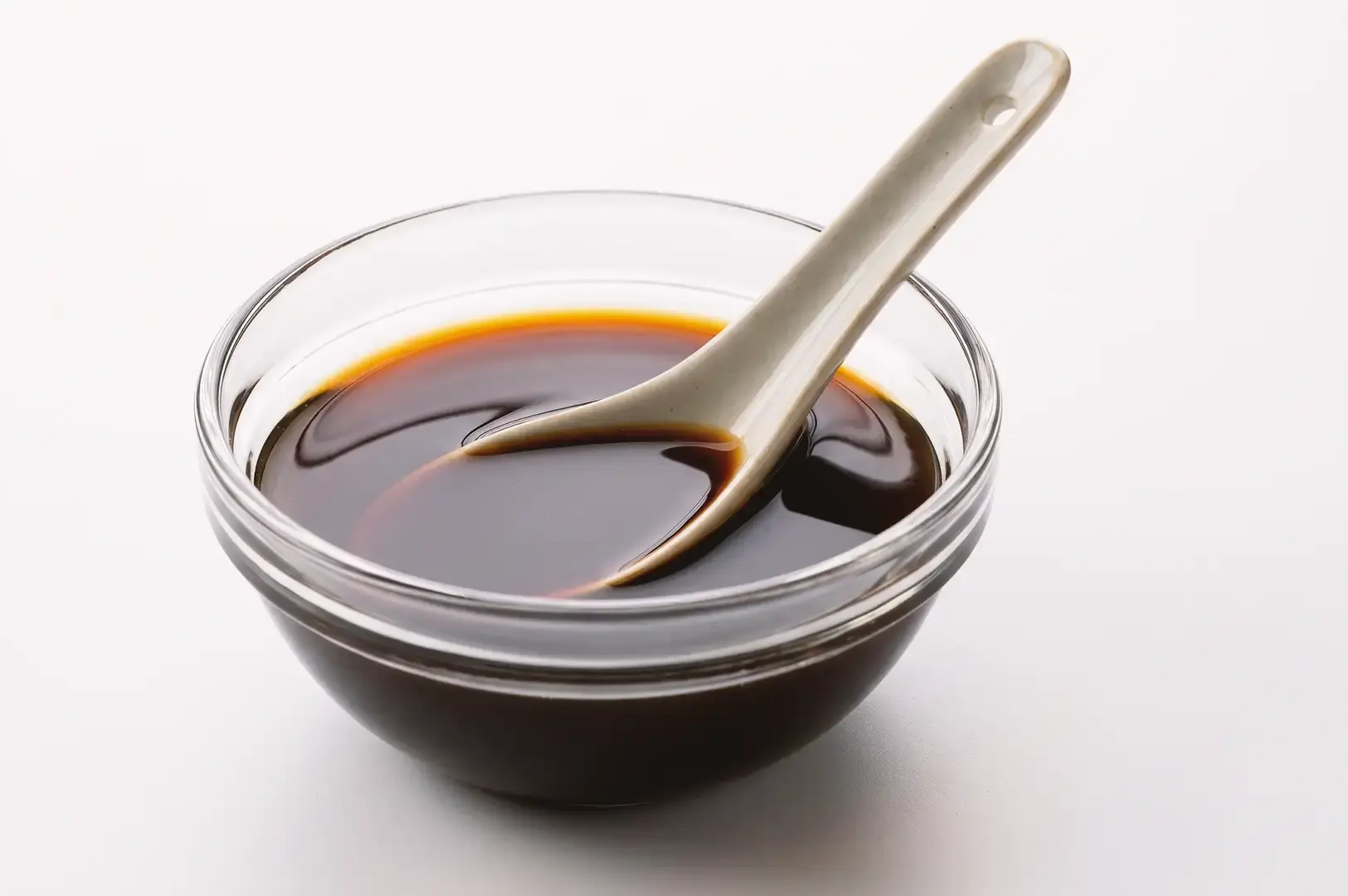
The tare is the concentrated seasoning sauce added to the stock. The three main types each have a different temperament:
Shio (salt) is simple and pure, letting the stock shine.
Shoyu (soy sauce) is more assertive and full of umami.
Miso is the boldest, bringing its own tangy, robust character.
Here's an important detail that many people miss: stock and tare aren't competing categories. A bowl isn't either "tonkotsu" or "shoyu." It needs both, working together. That means a beef stock could, in principle, pair with any of these seasonings, and each combination would feel completely different. Ginger, garlic, sesame oil, or a little chilli can also shape the aroma, depending on the style.
What Beef Brings to the Broth
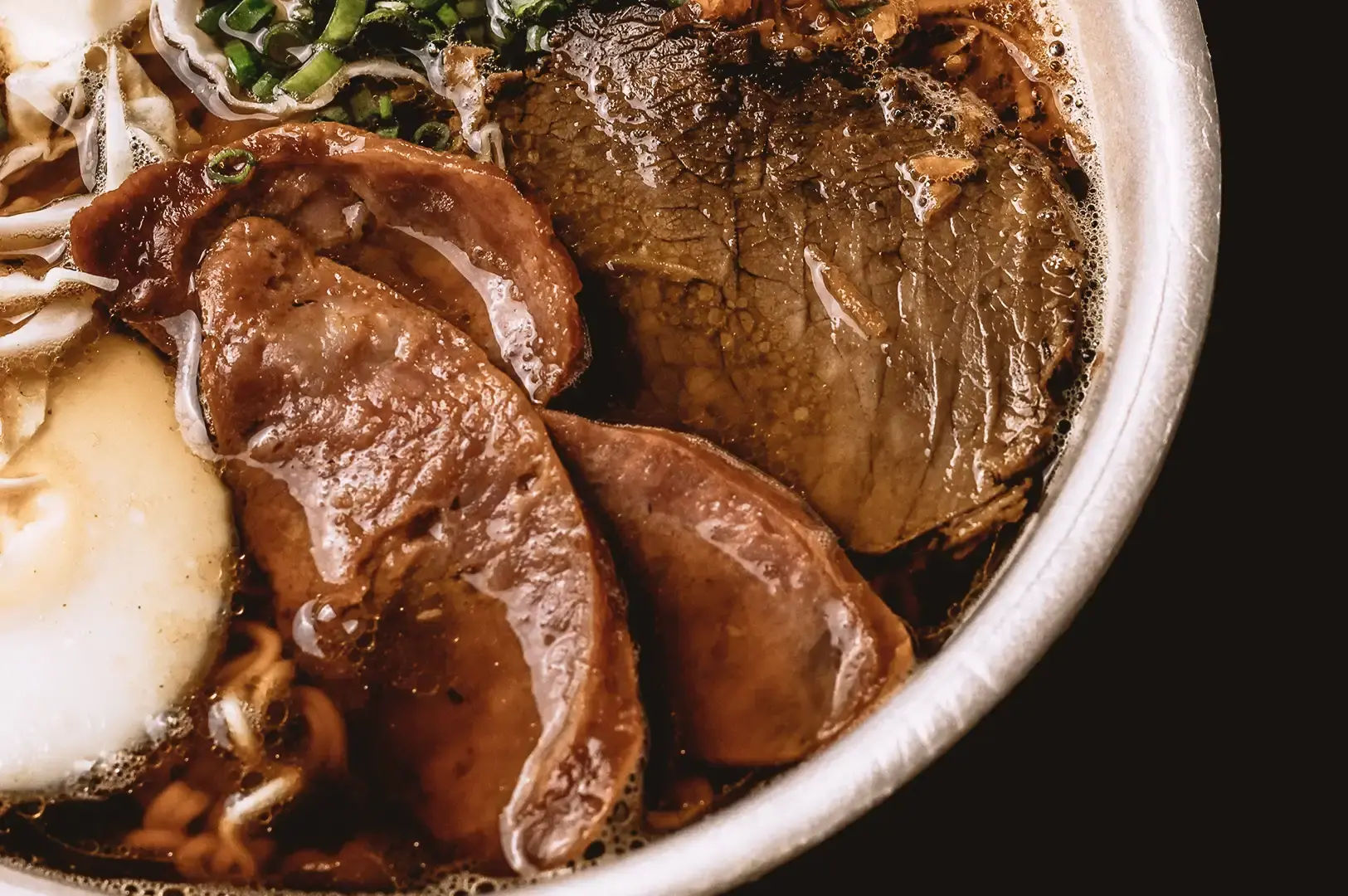
This is where ramen with beef gets exciting. Beef has a deep, savory character that's quite unlike the gentle sweetness of chicken or the creamy roundness many people associate with pork bone broth.
If the bones or meat are roasted or browned before simmering, the broth can develop darker, roasted notes. Imagine the aroma when you lean over the bowl: warm, almost earthy, with a richness that settles low on your tongue rather than floating lightly on top. A clear beef broth can feel clean but intense. A cloudier one can feel heavier and more velvety.
Beef fat also behaves differently. It tends to feel more substantial than chicken fat, so a few glossy droplets on the surface can make a broth taste fuller. Used with restraint, that richness feels luxurious. Used heavily, it can coat the palate and crowd out the other flavors. Balance matters enormously.
Finding the Right Tare Partner
Because beef is bold, the tare choice shapes everything. A light shio tare lets the beef speak clearly, almost like hearing a singer without the band. If the stock is excellent, that simplicity can be stunning. If it isn't, there's nowhere to hide.
Shoyu, with its umami-forward depth, seems a natural companion. Soy sauce and beef share a savory, slightly roasted quality, so they can deepen each other without either one taking over.
Miso is the most dramatic option. Since miso already brings strong flavors of its own, pairing it with a bold beef stock could create a bowl that's hearty, layered, and very filling. Braised beef can suit miso particularly well, while hoisin offers a sweet-savory direction in some modern beef ramen noodles. It could also overwhelm itself. I'd call it a pairing that rewards a careful hand.
Ground Beef, Steaks, and Other Beef Ramen Noodles
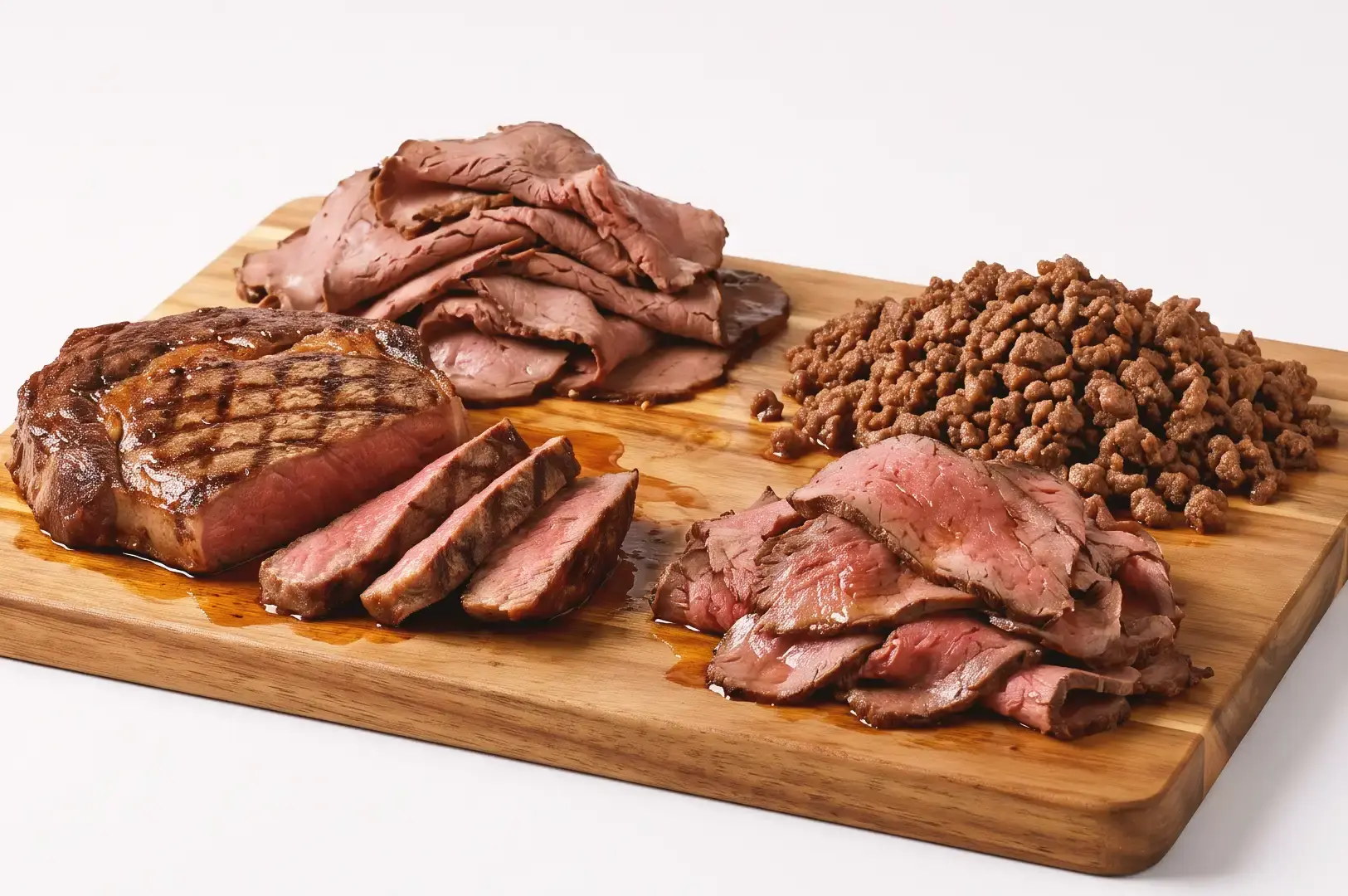
Beef doesn't have to live in the broth to change a bowl. It can also arrive on top, and that changes the whole eating experience. Thinly sliced steaks, braised beef, or ground beef (also called beef mince) each bring a different texture and flavor. Tantanmen-inspired beef ramen may use minced beef, although traditional Japanese versions more commonly use minced pork.
Texture Takes Center Stage
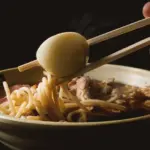
Toppings are where texture becomes personal. Very thinly sliced beef can soften in the heat of the broth, turning tender within moments. Slow-braised beef can bring a yielding, almost melting quality, the kind that falls apart when you nudge it with your chopsticks. Seared slices add a charred edge that contrasts with the soft noodles beneath. Let cooked steak rest before slicing so it stays tender; fry it briefly in a hot pan if you want browned edges.
Each approach creates a different rhythm. A tender braise asks you to slow down. A thin, quickly cooked slice keeps the bowl feeling light and lively. A seared piece adds a smoky pause between slurps.
Vegetables, Toppings, and Other Vegetables
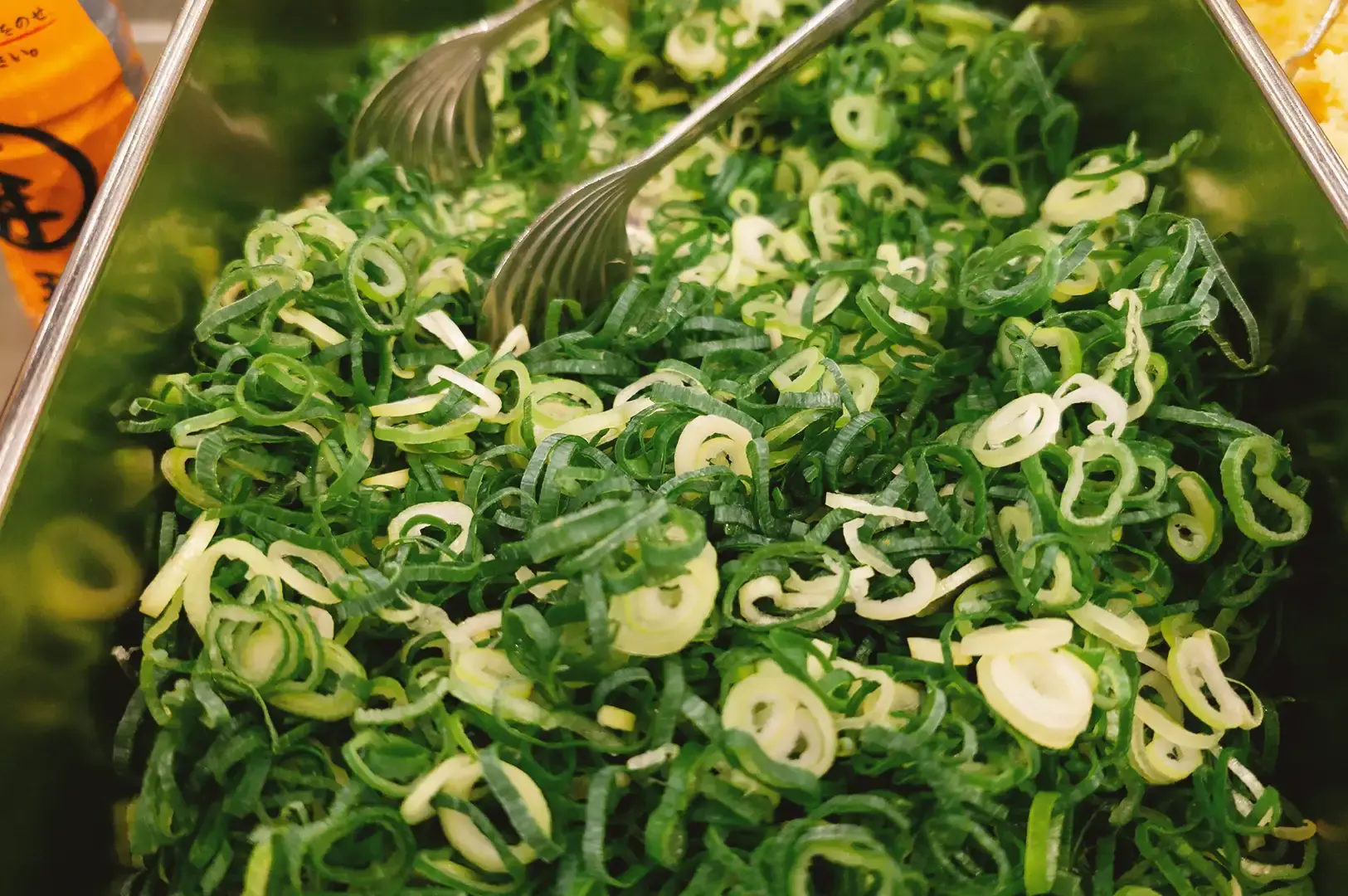
Beef also changes how other toppings behave. Fresh green onions can cut through richness with a bright, sharp crunch. A soft-boiled egg adds creamy comfort that balances beef's intensity. Pickled or crisp vegetables can refresh the palate between deeper, meatier bites. Bean sprouts, bok choy, cabbage, carrots, broccoli, zucchini, mushrooms, and baby spinach are all possible additions; choose veggies that suit the broth and add them according to how long they take to cook.
I think this is where ramen with beef reveals its real potential. It isn't just about adding a new protein. It's about rebuilding the balance of the whole bowl around a new center of gravity.
How Beef Interacts with Ramen Noodles
Noodles are easy to overlook in this conversation, but they matter just as much. Ramen's regional styles show how strongly noodle choice shapes identity. Hakata ramen, linked with Fukuoka, is known for thin noodles and pork-bone broth. Kitakata ramen, from Fukushima, is associated with thick, flat, wavy noodles and a broth that's commonly soy-sauce seasoned.
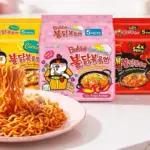
Purpose-made ramen noodles are wheat noodles made with kansui, which gives them their springy, chewy texture. Instant noodles and other instant noodles can be convenient alternatives, though their texture may differ. Some quick beef ramen noodles are made as a stir fry: cooks may add noodles to the pan with sauce and cold water, rather than boil noodles separately in a pot. A frying pan or one-pan method can make dinner simpler, but it creates a different dish from soup ramen. Follow the packet directions, avoid overcooking, and drain noodles when the method calls for it.
With a bold beef broth, I suspect thicker or wavier noodles would hold up especially well, gripping the soup and standing up to its weight. A thin noodle could still work beautifully in a clearer, more delicate beef broth. Neither is a rule. It's simply a reminder that every element in the bowl should feel like it's in conversation with the others.
Recipe Notes: Stir Fry or One Pan?
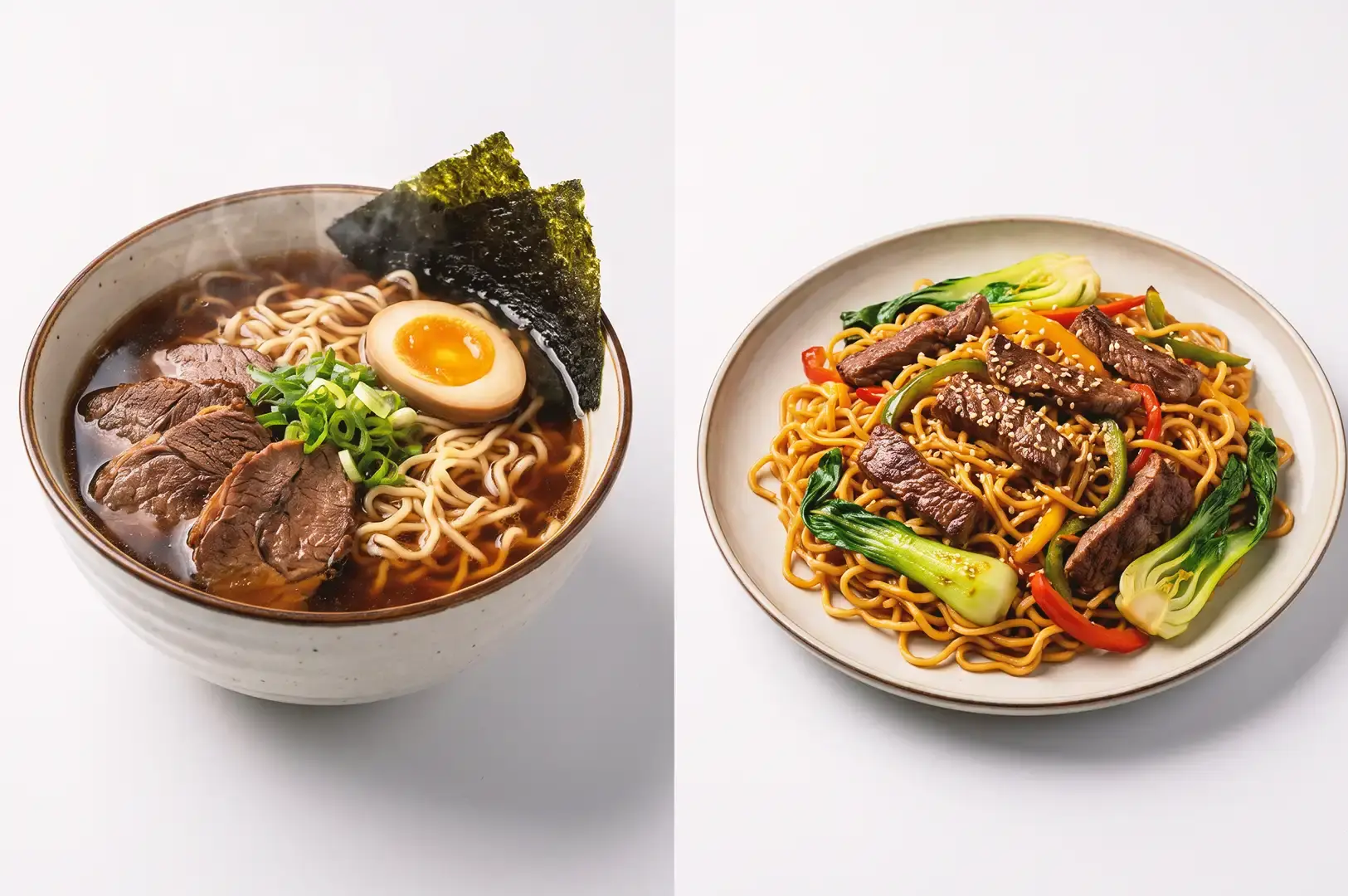
A noodle stir fry and a soup bowl offer different pleasures. For a quick stir fry, brown beef over medium-high heat in a little oil, stirring occasionally, then add sauce ingredients such as soy, ginger, or hoisin. Toss in vegetables according to their cooking times and add cooked noodles. If they seem dry, add more water; use more oil only if needed to prevent sticking. A packet of instant noodles can work, but set aside its seasoning if you want to control the salt.
For a family-friendly, delicious dinner, simple ingredients and a little prep go a long way. Keep the heat around medium for delicate vegetables, and stir gently so the noodles don't break. Optional sesame seeds, chilli, or a drizzle of sesame oil can make a tasty, flavorful finish. These are recipe notes, not rules: adjust the vegetables and seasoning to your taste. The result can be yummy, but calories and nutrition vary with portions and ingredients.
Store leftovers in the fridge and reheat thoroughly; don't leave cooked noodles at room temperature. Add vegetables in batches, and serve the finished noodles promptly for the best texture. If using instant ramen, start with half the seasoning packet and adjust to taste. For more comments and tips, check the recipe discussion where home cooks share their variations.
Is Beef Ramen "Authentic"?
I want to address this directly, because it's a question that comes up whenever a dish moves beyond its most familiar form.
Authenticity in ramen has never meant one fixed recipe. Sapporo became associated with miso ramen. Hakata built its identity around pork-bone broth and its custom of kaedama, ordering extra noodles for the remaining soup. Kitakata became known for asa-ra, eating ramen in the morning. These regions didn't become less authentic by being different from each other. Their differences are exactly what made ramen culture so rich.
I don’t think beef ramen is inherently less authentic than a pork-based bowl. Ramen has always evolved through regional and cultural adaptation. It's another expression of the same curiosity that has driven ramen for more than a century. What matters most is whether the bowl is cooked with intention and whether its parts fit together.
The Invitation in the Bowl
I think the most rewarding way to approach beef ramen is with fresh attention. Don't measure it against the tonkotsu you already love. Taste the broth on its own first. Notice whether the beef reads as roasted, clean, rich, or deep. Pay attention to how the tare shapes it and how the noodles carry it.
Then ask yourself what the bowl is trying to say. You might discover a new favorite. You might decide you still prefer your usual order. Either way, you'll understand ramen a little better.
So the next time you see ramen with beef on a menu, or feel tempted to try it in your own kitchen, take the chance. Ramen has always belonged to people willing to wonder, adapt, and taste something new. The other side of ramen is waiting, and it might just change how you see the classic.
Want to understand the foundation behind a great bowl? Our how to make ramen broth guide breaks down the key techniques, ingredients, and broth styles to know