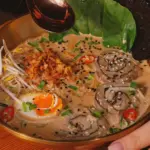


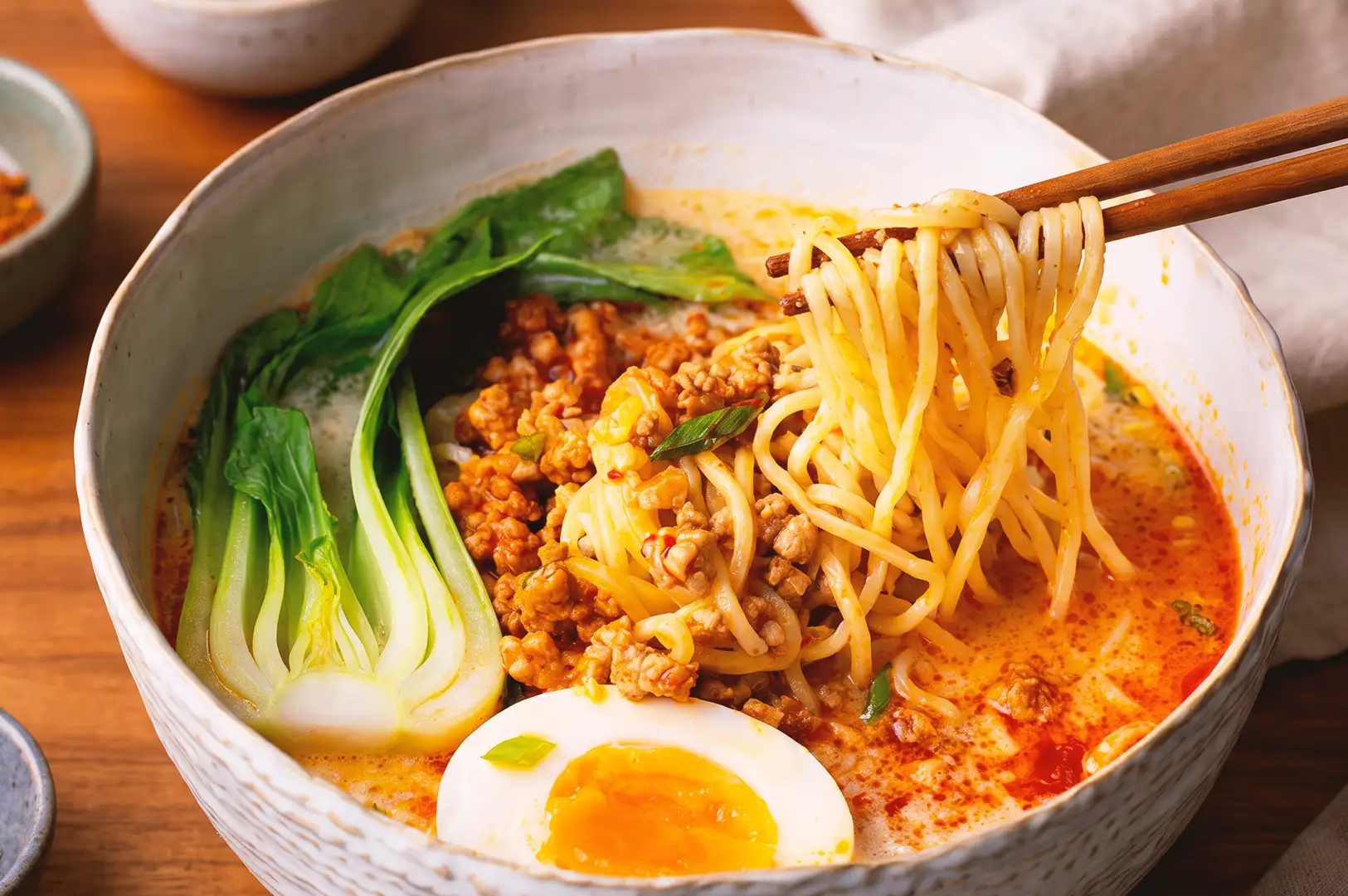
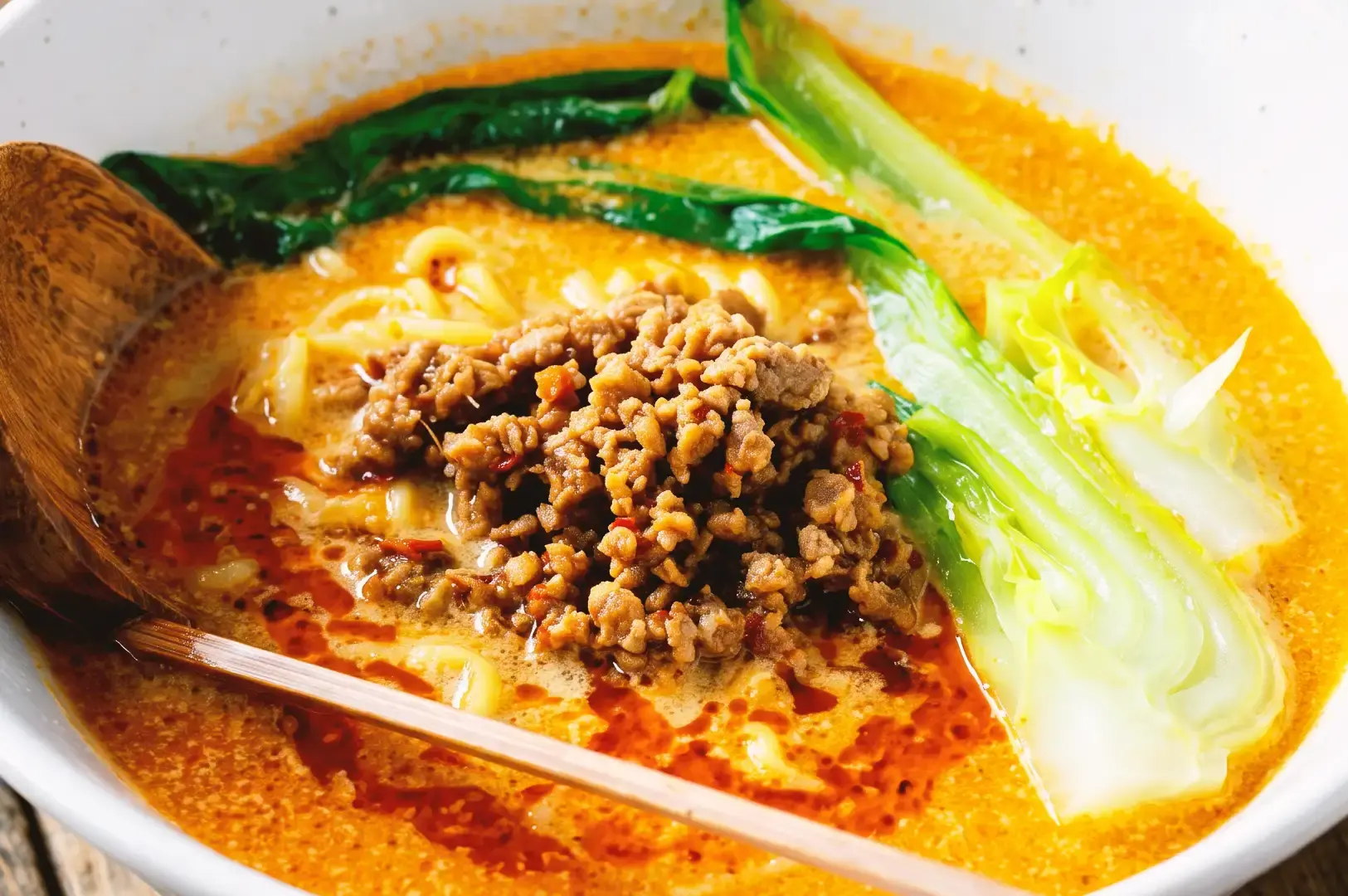
The first thing you notice is the colour. A bowl of tantanmen ramen glows a soft, rusty orange, with ribbons of red chili oil drifting across a creamy surface. A little mound of savoury ground pork sits in the middle, and bright green leaves of bok choy rest at the edge.
Then the aroma reaches you: toasted sesame, warm and nutty, with a sharp edge of chilli behind it. Lift the ramen noodles and they come up coated in soup broth, glossy and heavy with flavour. This creamy noodle soup feels at home in a Japanese ramen shop, yet its story begins far from Japan, on the streets of Sichuan, and passes through Hong Kong along the way.
Where It Begins: A Sichuan Dish of Dan Dan Noodles
A Street Snack Carried on a Pole
Dan dan noodles, or dan dan mian, are believed to have originated in China's Sichuan province in the mid-1800s, and became closely tied to Chengdu. The name comes from the pole, or dan, that street traders carried across their shoulders, with baskets holding a stove, pot, bowls, noodles and condiments.
I love that image. It reminds me that some of the world's most loved dishes began as practical, portable food for local people on the move.
Small, Dry and Fiery
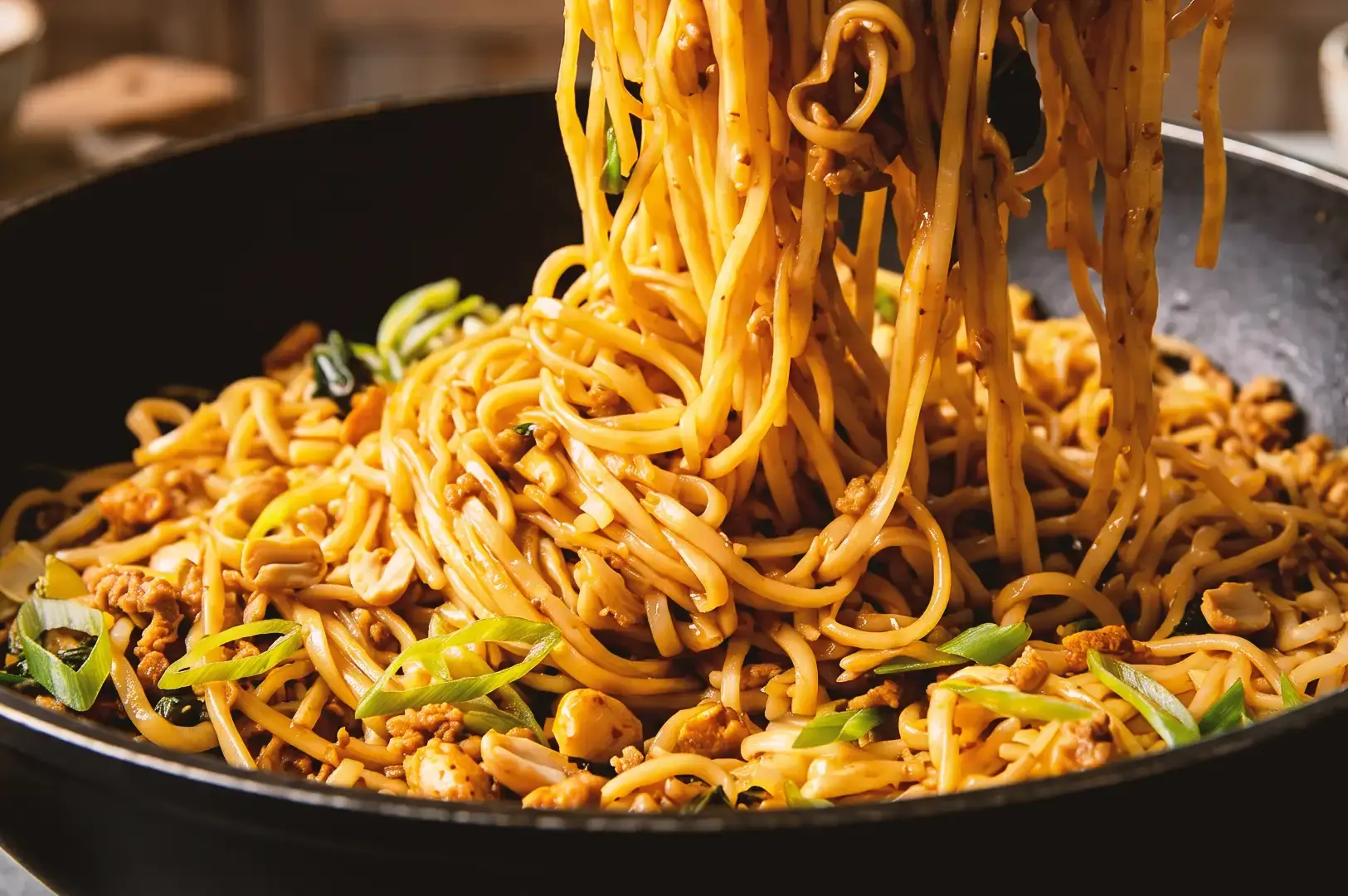
At first, there was no fixed recipe. Over time, dan dan mian settled into small bowls of flour noodles served “dry,” with very little sauce or soup. The toppings did the heavy lifting: fermented mustard greens, minced meat, crushed peanuts, scallions, red chili oil and ground Sichuan peppercorns for aroma and their famous numbing tingle.
That combination is bold, punchy and intensely savoury. It is quite different from the soupy bowl many people now picture when they hear the name. The original spicy sauce clings to noodles rather than becoming a creamy soup base.
The Hong Kong Chapter: When Dan Dan Noodles Got Soup Broth
Wing Lai Yuen and a Chef Adapting to New Palates
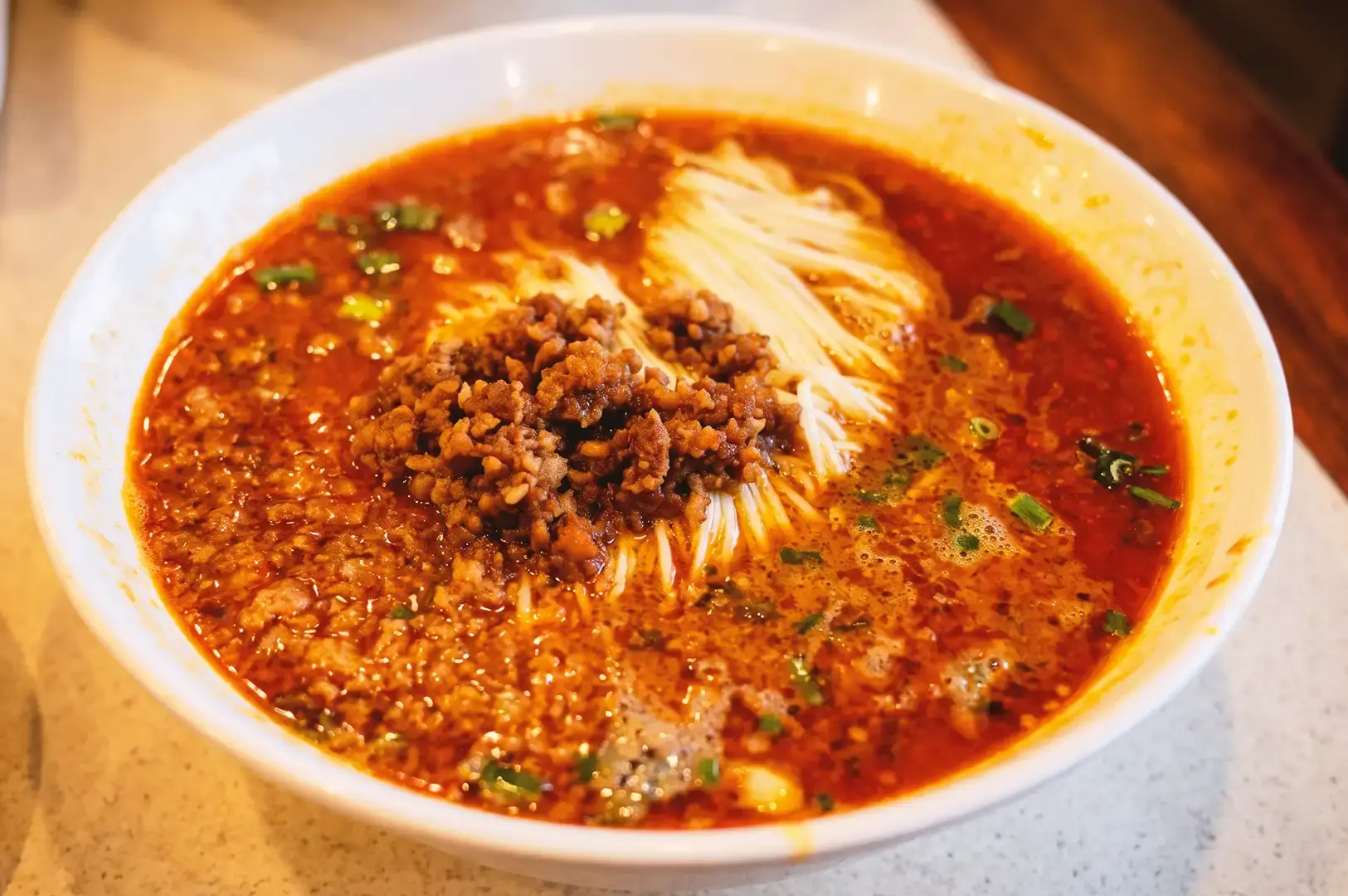
The soup-forward version of dan dan mian is believed to have started in Hong Kong. In 1947, Yeung Din-wu opened Wing Lai Yuen in Diamond Hill. To suit Hong Kong diners, he reduced the chilli intensity and developed a soupy version enriched with sesame and peanut flavours.
Local diners weren't used to such strong, numbing heat. Yeung adapted the dish, making chili oil optional and adding a rich chicken and pork bone soup broth enriched with peanut butter and sesame paste. This was not simply a watered-down original; it was a thoughtful adjustment for the people he was feeding.
A Smash Hit That Travelled
According to his granddaughter, the restaurant's third-generation owner, the dish became a hit. Wing Lai Yuen came to be seen as a pioneer of Hong Kong-style soupy dan dan mian, which spread across the city and eventually to Chinese restaurants abroad.
Even before it reached Japan, the dish was already being reshaped by a cook paying close attention to diners. Adaptation wasn't a betrayal of the original. It was how the dish survived and thrived in a new place.
Chen Kenmin and the Japanese Version of Tantanmen
A Long Road to Tokyo
Japan tells its own origin story, centred on Chen Kenmin, often called “the father of Sichuan cuisine” in Japan. Born in Fushun County in Sichuan, he was the youngest of 11 children and began working in a noodle shop at age 11.
Chen Kenmin travelled and worked across Greater China before settling in Japan in the early 1950s. He opened Shisen Hanten in Tokyo in 1958.
A Wife's Advice and a New Bowl
Chen's first tantanmen stayed close to its Sichuan roots and was served without soup. His Japanese wife, Yoko, tasted it and warned that the heat and numbing spice might be too much for Japanese diners. She also suggested they would prefer noodles in soup, as with ramen.
Chen listened and created a creamy sesame broth. That's the version that went on the menu. The two origin stories aren't really in competition: Chen was working in Hong Kong just after Wing Lai Yuen opened, and Chen had also spent time in Hong Kong before settling in Japan, where soupy dan dan noodles were already developing.
I find that genuinely moving: a dish shaped by a refugee's skill, a city's influence and a family conversation at the table.
Sesame Paste Takes Centre Stage
Today, Chen's grandson, Kentaro Chen, runs Shisen Hanten as its third-generation owner. He says the most important thing in their recipe is the sesame aroma, and he grinds the seeds twice to get the right consistency. The egg noodles there are made without kansui, the alkaline water commonly used in Japanese ramen noodles, because he feels kansui noodles don't bring out the sesame aroma as well.
Chen Kenmin's son, Chen Kenichi, later became famous as the Iron Chef Chinese on the 1990s Japanese television show Iron Chef, helping carry the family's cooking to a wider audience.
What Makes Tantanmen Ramen Its Own Noodle Soup
The Creamy Soup Base and Chili Oil
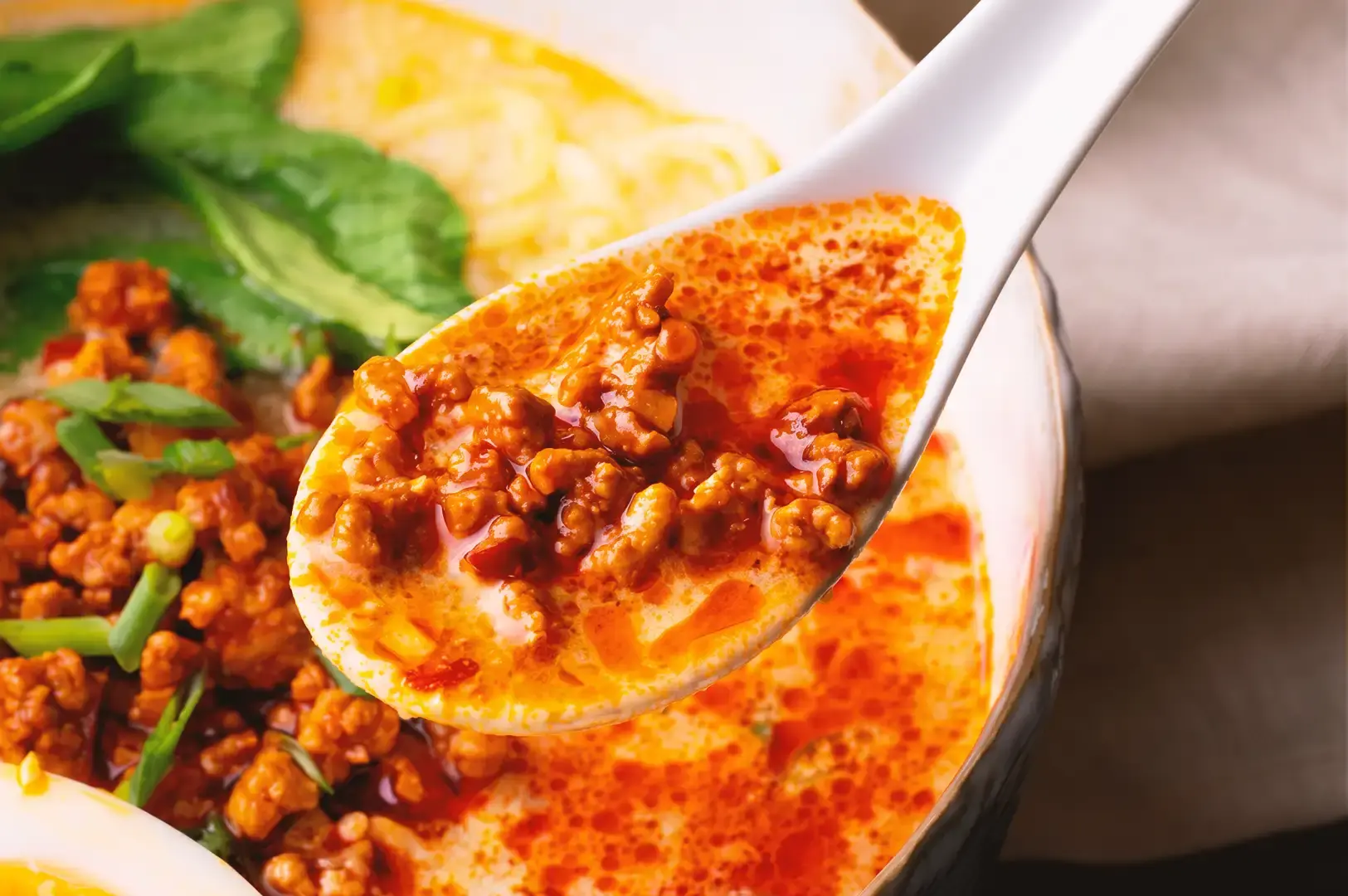
If dan dan noodles are defined by their dry, fiery toppings, tantanmen is defined by its soup. The soup base is creamy and aromatic, usually made with sesame paste and chili oil. Many versions use chicken broth or stock, and some add unsweetened soy milk, which gives the soup its pale colour and mellow texture. Some cooks use oat milk, which works equally well in a home version.
The dish includes sesame paste, often Chinese sesame paste made from toasted seeds. Japanese neri goma is another option; tahini can be the closest substitute, though its flavour may be lighter and less toasted. A little rice vinegar, soy sauce and miso can balance the richness. The spice level varies: doubanjiang, a spicy bean paste, adds depth, while extra chili oil makes the bowl extra spicy.
The Nikumiso Topping
Nikumiso means “meat miso.” It is ground pork cooked until savoury and slightly sweet, then spooned over the noodles. Depending on the recipe, the meat may be stir fried with sweet soybean paste, sake and soy sauce, or with minced garlic, ginger and doubanjiang. Ground chicken is a common alternative, while mushrooms or plant-based meat can make a meat-free topping.
Tantanmen often skips classic ramen toppings such as chashu and a marinated egg. Instead, green vegetables such as bok choy bring a fresh, slightly crunchy contrast. Baby bok choy is a popular choice; spinach and other leafy greens work too. Chopped scallions and sesame seeds make simple, fragrant garnishes.
Ramen Noodles for a Rich Soup
Noodle choice varies from kitchen to kitchen. Some recipes call for medium or thin ramen egg noodles; others use medium-thick, wavy ramen noodles. Fresh noodles are especially good, but dried noodles can work. Whichever you choose, cook them until just tender, drain well, and add the cooked noodles to the hot soup just before serving so they don't soak up too much broth.
Ingredients and seasonings genuinely differ from shop to shop. That variety isn't a flaw; it's part of the dish's personality.
Two Camps, Many Bowls of Tantanmen
Old-School and New-School Tantanmen
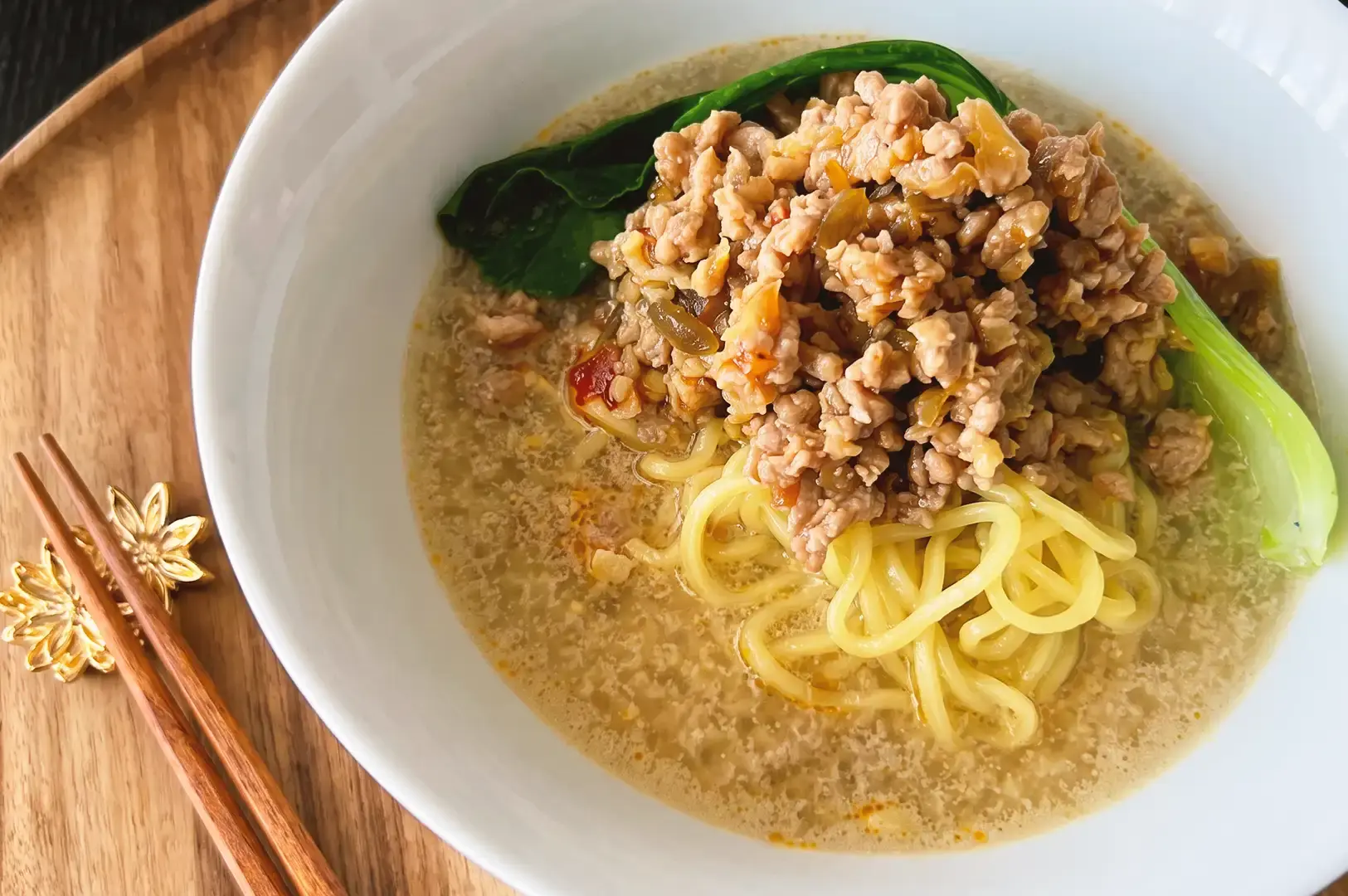
Tantanmen has spread across Japan, with many shops serving their own take. Broadly, styles fall into two camps. Old-school bowls, influenced by chefs trained at Shisen Hanten, tend to be mild, creamy and aromatic. New-school ramen bars have turned up the heat over roughly the past two decades, and some return to the dry style of the Sichuan original.
At one Tokyo shop, diners choose their level of karasa (chilli heat) and shibire (numbing spice) on a sliding scale. That flexibility makes the ramen noodle soup easy to tailor to different tastes.
Regional Twists
Beyond Tokyo, regional styles have grown up too. Hiroshima-style tantanmen is served dry with chili oil and Sichuan pepper, often topped with a soft-boiled egg.
Katsuura has dozens of certified shops serving its own chilli-oil-heavy version. It's a spicy soup with no sesame at all, just plenty of chili oil and chopped onions. A local canteen is said to have created it to warm fishermen and ama, the female free divers, after a hard day's work. I can't think of a better reason to invent a soup.
A Plant-Based Branch
Tantanmen keeps evolving. Plant-based versions are widening its appeal, including at T's Tantan, which opened in Tokyo Station in 2011 as an offshoot of a plant-based restaurant and has since grown to five outlets. At home, cooks can replace pork with chopped mushrooms or meat alternatives and use vegetable stock or kombu and shiitake dashi.
A Simple Tantanmen Recipe: Soup Base and Serving Tips
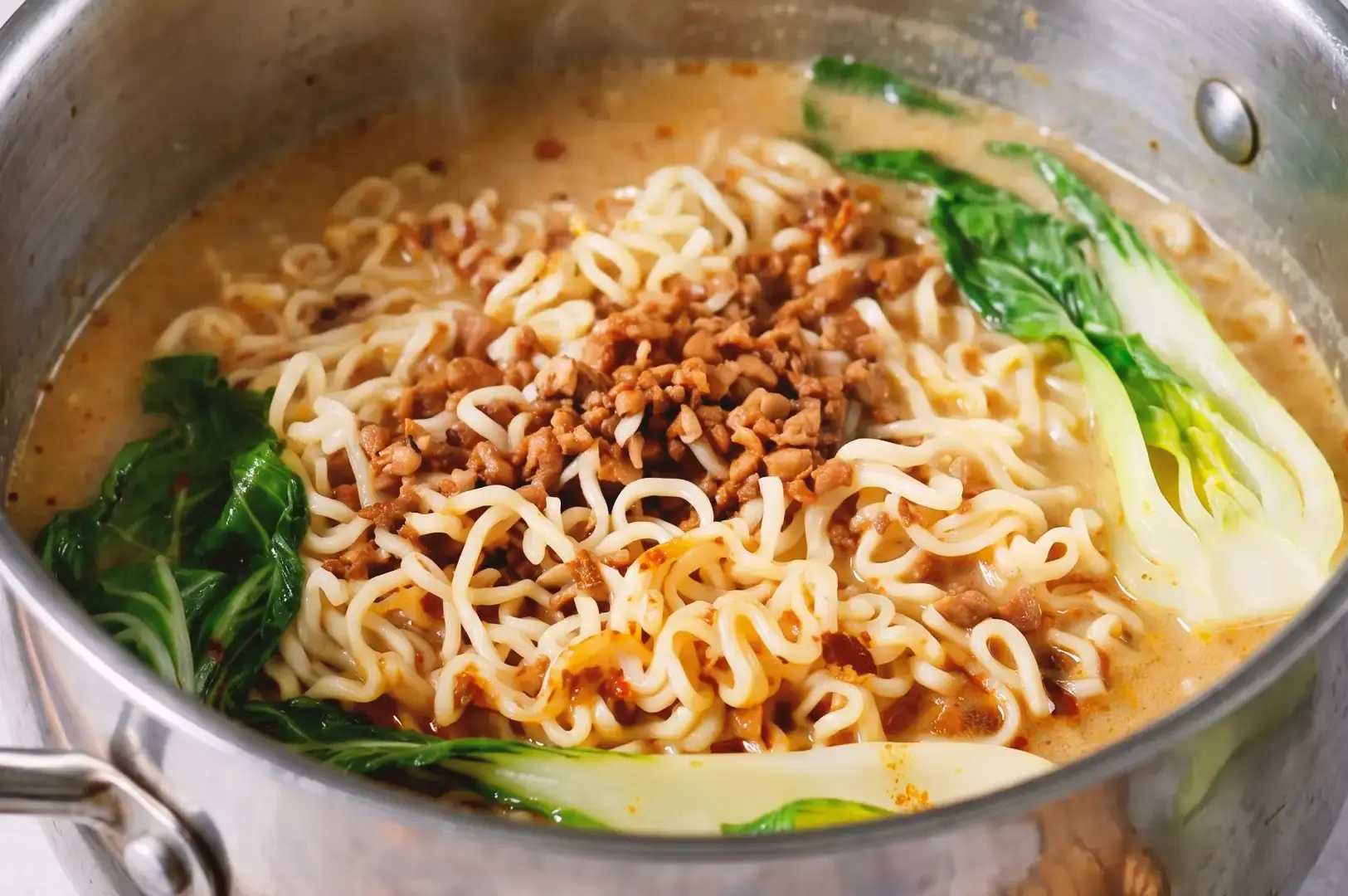
A home tantanmen recipe can be built in stages without requiring hours of simmering. Whisk sesame paste, soy sauce, rice vinegar and chili oil in a medium bowl to make a seasoning paste. In a separate pan, gently warm chicken broth with unsweetened soy milk; avoid a hard boil, which can cause the milk to split. Meanwhile, stir fry ground pork with garlic, ginger and doubanjiang until browned.
Bring a large pot of boiling water to a boil. Blanch baby bok choy or spinach briefly, then transfer the greens to cold water to stop them cooking. Cook fresh noodles according to their instructions, drain, and divide them between bowls. Mix the sesame seasoning with the warm soup broth, pour it over the noodles, and finish with the pork, greens, scallions and sesame seeds. Adjust salt and chili oil to taste. For a more traditional Sichuan-inspired contrast, try a small garnish of pickled vegetables. Japanese tantanmen is often milder than traditional Dan Dan Noodles, though you can adjust the heat with extra chili oil.
This is a guide rather than a fixed formula: a home cook can change the vegetables, milk alternative and spice level to suit the table. For a fuller recipe, review recipe instructions carefully and follow the required recipe ratings and serving amounts. Step by step photos can also help clarify cooking stages when included with a recipe. Nutrition facts vary by ingredients and portion size; check the listed saturated fat and vitamin C values if those details matter to you.
What Tantanmen Teaches Us About Borrowed Traditions
It's tempting to ask which version is the “real” one. I'd gently suggest that's the wrong question. The dry Sichuan street bowl is real. The soupy Hong Kong version is real. Chen Kenmin's sesame-scented tantanmen is real, and so is the fiery new-school bowl or the onion-laden Katsuura soup. Each reflects the people who cooked it and the people it was cooked for.
What ties them together is attention. Yeung Din-wu noticed what Hong Kong diners could handle. Yoko Chen noticed what Japanese diners might love. Today's chefs notice that more people want heat, or want a bowl without animal products. Borrowing, done with care, isn't copying. It's a conversation that keeps going.
Taste the Story in Your Next Bowl
Next time you sit down to tantanmen ramen, taste the broth on its own first and notice the sesame. Look for the echoes of Sichuan in the chili oil, the peppercorn tingle or a scrap of pickled greens. Then think about the long road that bowl travelled to reach you.
Better still, try a few versions. Order dan dan noodles at a Sichuan spot, then a creamy tantanmen at a ramen shop, and compare them side by side. Or make tantanmen at home and adjust the spice and creaminess to suit your own table. If you've tried a distinctive regional style, comment something about the version you enjoyed. H
appy cooking, and enjoy discovering how each bowl adds another voice to this delicious conversation.