

It almost happened out of habit. Phone in hand, thumb hovering over the search bar, ready to check a star rating before I'd even decided what I was hungry for.
Then I put the phone back in my bag.
That sounds like a small thing. But I spend a lot of time reading, thinking, and writing about ramen, so it felt strangely bold. I wanted to know what a bowl would feel like if nobody had told me how to feel about it first.
Here's what I've come to notice about reviews. They're useful, often generous, and usually written by people who genuinely care about food. But they arrive before the food does. By the time I sit down, I already "know" which topping is the star, whether the broth runs salty, and what everyone else ordered. I'm not really tasting a bowl anymore. I'm checking it against a list.
Going in without that list feels a little exposed at first. There's no safe pick waiting for me, no dish I'm supposed to love. I have to read the menu as if it's brand new, because to me, it is.
That's where something shifts. Without someone else's verdict echoing in my head, I pay closer attention. I notice the aroma before the first sip. I taste the broth and ask myself what I think, not whether it matches a stranger's description. If the noodles have a pleasing spring, I enjoy it because I found it, not because I was promised it.
None of this means every unreviewed meal turns out to be a hidden gem. Skipping reviews is a small gamble, and gambles don't always pay off. Sometimes you'll order the wrong thing. Sometimes a bowl is simply fine. Still, "fine" on your own terms carries a different kind of honesty than "disappointing" because the hype ran ahead of the food.
I think the real lesson is about trust. Not blind trust in any kitchen, but trust in your own palate. Many of us have quietly handed that judgment over to strangers, one rating at a time. Taking it back, even for one meal, is a reminder that taste is personal and curiosity is a skill worth practicing.
I'm not swearing off reviews. They matter when you're managing dietary needs, accessibility, a tight budget, or limited time. I'm just learning to read them after the meal rather than before, as a conversation instead of a script.
Ramen has always been about someone on the other side of the counter making something for you. Maybe the most respectful thing we can do, every now and then, is arrive without expectations and let the bowl introduce itself.
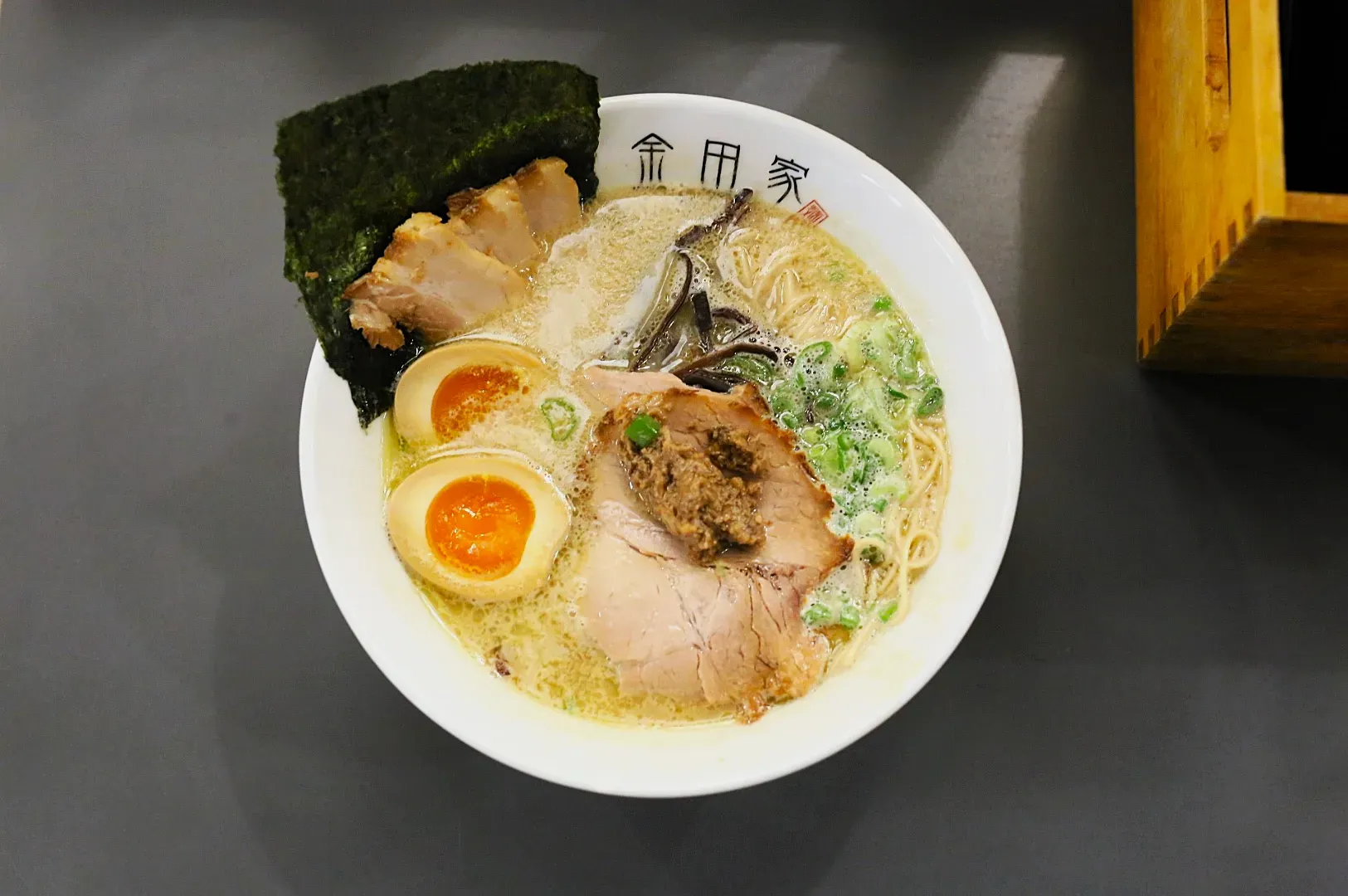
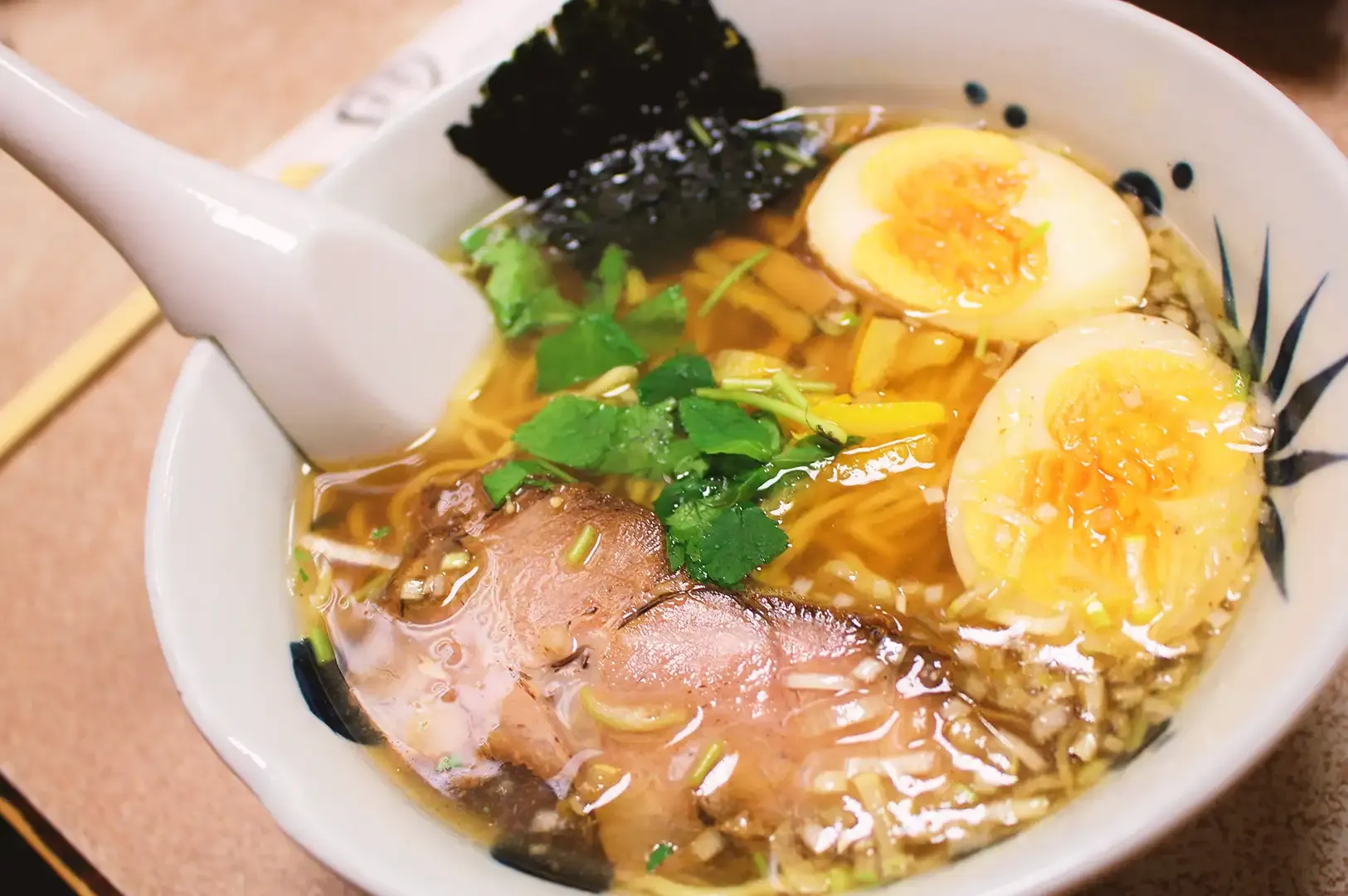
I understand why some people prefer lighter bowls. Not everyone wants a thick, salty tonkotsu that sits in your stomach for hours. Delicate Japanese ramen has real beauty when it's intentional, and I'd never dismiss someone for loving it.
But intention is everything. Subtlety takes confidence. It means seasoning right up to the edge of restraint and stopping there on purpose. Blandness is what happens when nobody made that choice at all.
I've tasted both, sometimes in the same week, and the gap is enormous. One leaves me thinking about it on the train home. The other leaves me reaching for the pepper.
So when I read "light ramen" now, I ask a quiet question. Light because someone was brave enough to trust a delicate broth? Or light because they were afraid to commit?
Good ramen seasoning isn't about being loud. It's about caring enough to make the flavour land, however soft the volume. Next time a bowl arrives looking pale and gentle, taste it slowly. If it lingers, that's craft. If it disappears, well, now you know the code.