

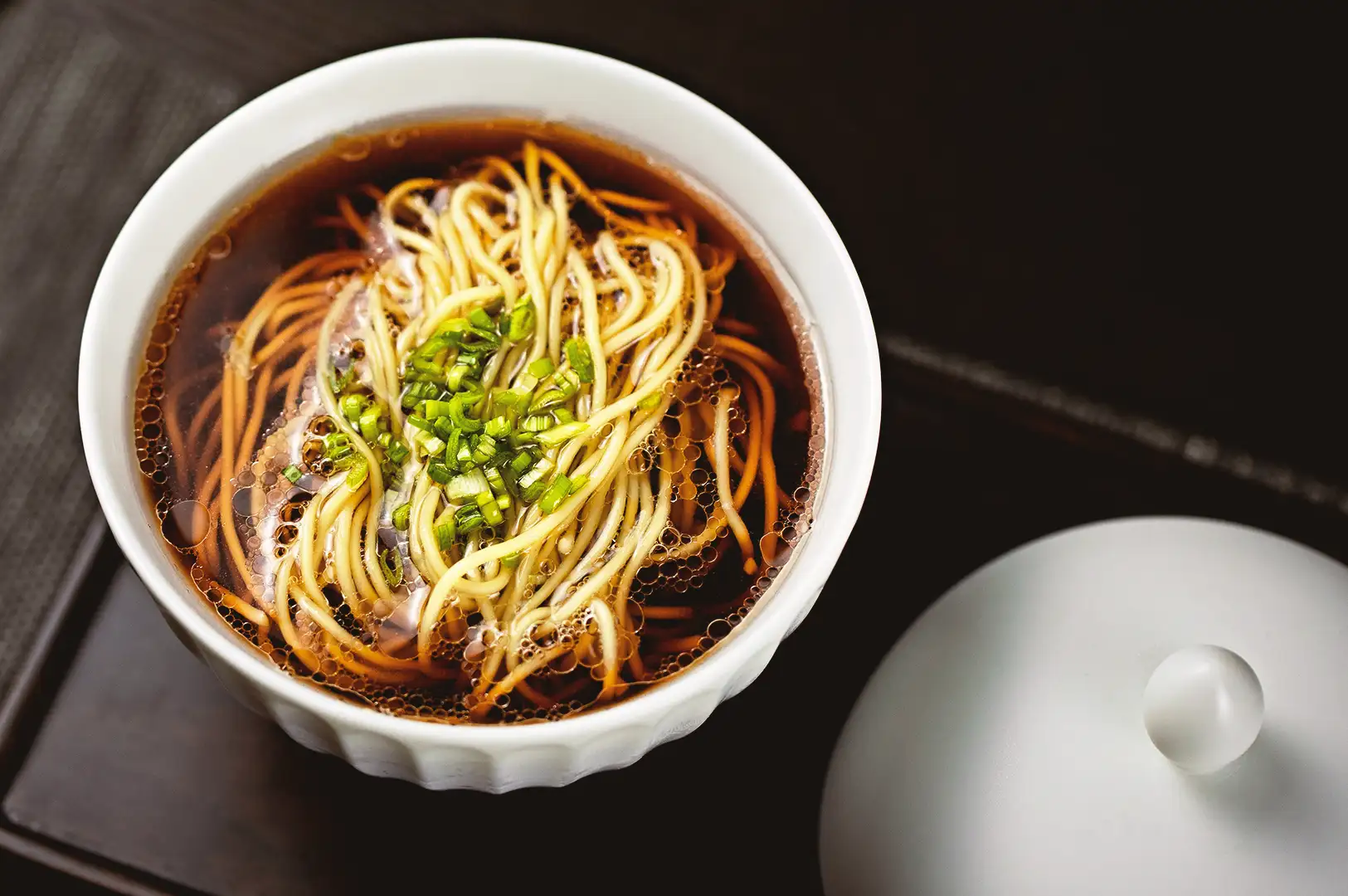
There's a small moment at the end of a ramen meal that I think we all know. The bowl is empty, the broth is gone, and the warmth is still sitting in your chest. Then the bill arrives, and the number doesn't quite match the one you remember from the menu.
Nothing sneaky has happened. In Singapore, that's simply how dining out often works. Still, I think that little gap deserves a closer look.
Here's the math. Many F&B businesses add a service charge, typically 10%. Then 9% GST is applied to the subtotal, and that subtotal includes the service charge. Singapore's tax authority, IRAS, makes it plain with its own example: a $100 bill becomes $119.90. That's nearly a fifth more than the prices printed beside the dishes.
And that's before the extras. You might order a drink to cool down the spice, an extra egg because you couldn't resist, more chashu, or a second helping of noodles. Each add-on feels small on its own, yet each one also picks up its share of service charge and GST.
All of this is allowed. Restaurants that impose a service charge may display GST-exclusive prices, as long as they show a prominent statement that prices are subject to GST and service charge. So the information is there. The real question is whether it's where our eyes land when we're choosing between shoyu and tonkotsu.
I want to be fair here. Running a ramen shop isn't cheap. Broth takes time, and so does everything else. Rent, ingredients, utilities, and the people who cook and serve all need to be paid for. Service charge and tax are part of how those numbers work, and I don't begrudge any of that.
But I do think value depends on trust. When the final bill feels like a surprise, it can quietly sour a bowl that was otherwise wonderful, even when the charge is legal and clearly signposted. When the full cost is easy to see from the start, the meal tastes better to me, because I chose it with open eyes.
So maybe the question isn't whether a bowl is cheap or expensive. It's whether the bowl is worth what you actually pay, every cent after the menu price included.
Next time you sit down, do the quick math before you order. Add roughly a fifth to the bowl, the drink, and that extra egg. Then ask yourself one thing: knowing the real number, would I still choose this bowl?
If the answer is yes, slurp happily. That's a bowl worth every cent.