

There is something fascinating about a bowl of noodles that practically warns you before the first bite. The sauce is a deep, glossy red, the aroma carries a hint of sweetness beneath the chilli, and the packaging makes no secret of what is coming.
Yet people around the world continue reaching for Buldak ramen, sometimes choosing an even hotter version after discovering just how intense the original can be.
Buldak ramen sits right at the intersection of flavour, chemistry, and human curiosity. Its appeal goes beyond being one of the more recognisable names in the world of spicy instant noodles. Understanding why people enjoy it reveals how our senses interpret heat, how our brains respond to discomfort, and why a well-balanced spicy sauce can be more compelling than sheer intensity.
Buldak Ramen: When Spicy Food Becomes an Experience
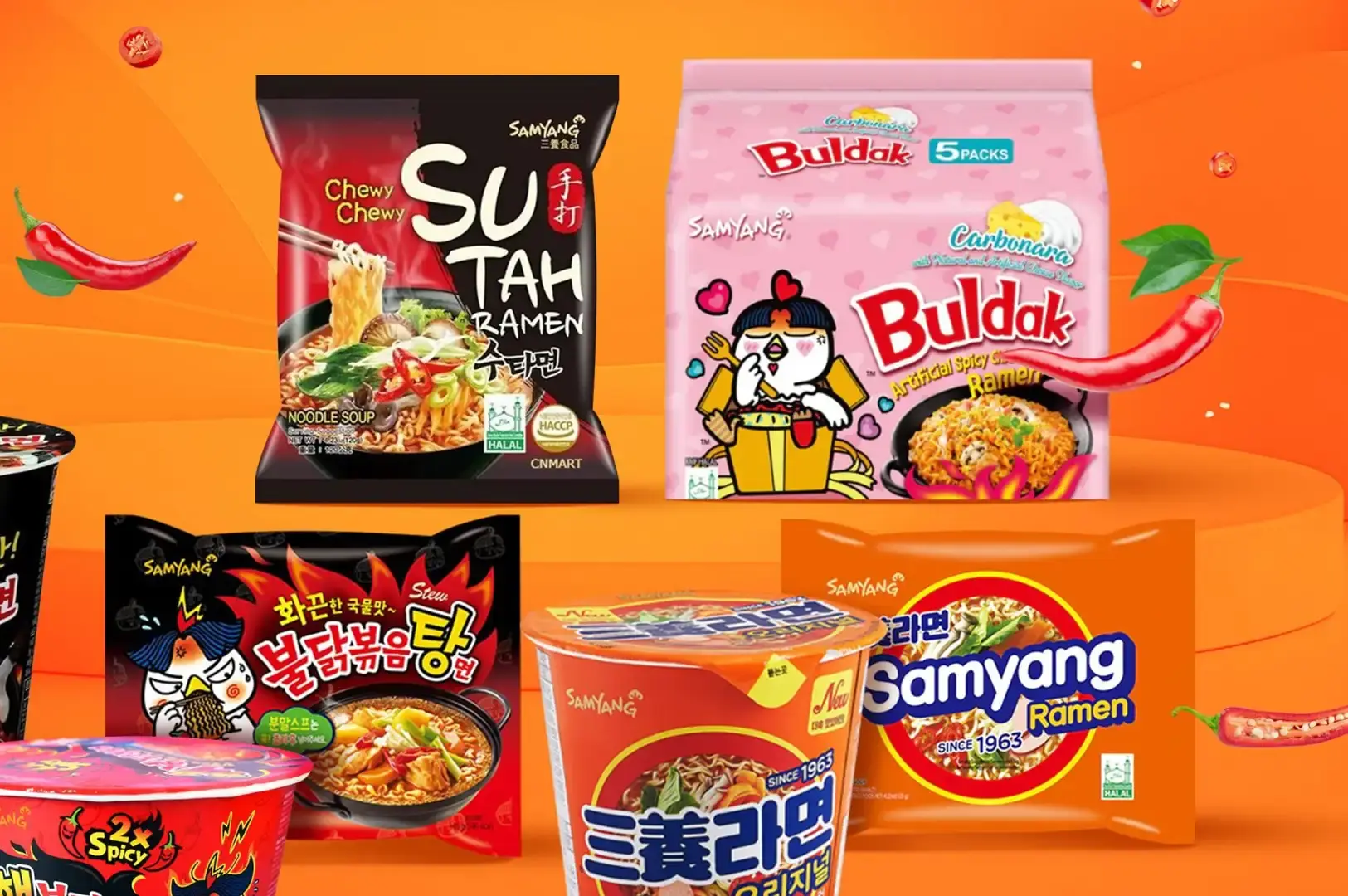
Buldak ramen is produced by Samyang Foods, the South Korean brand behind the original Hot Chicken Flavor Ramen, introduced in 2012. The product takes inspiration from buldak, a Korean spicy chicken dish known for its fiery seasoning.
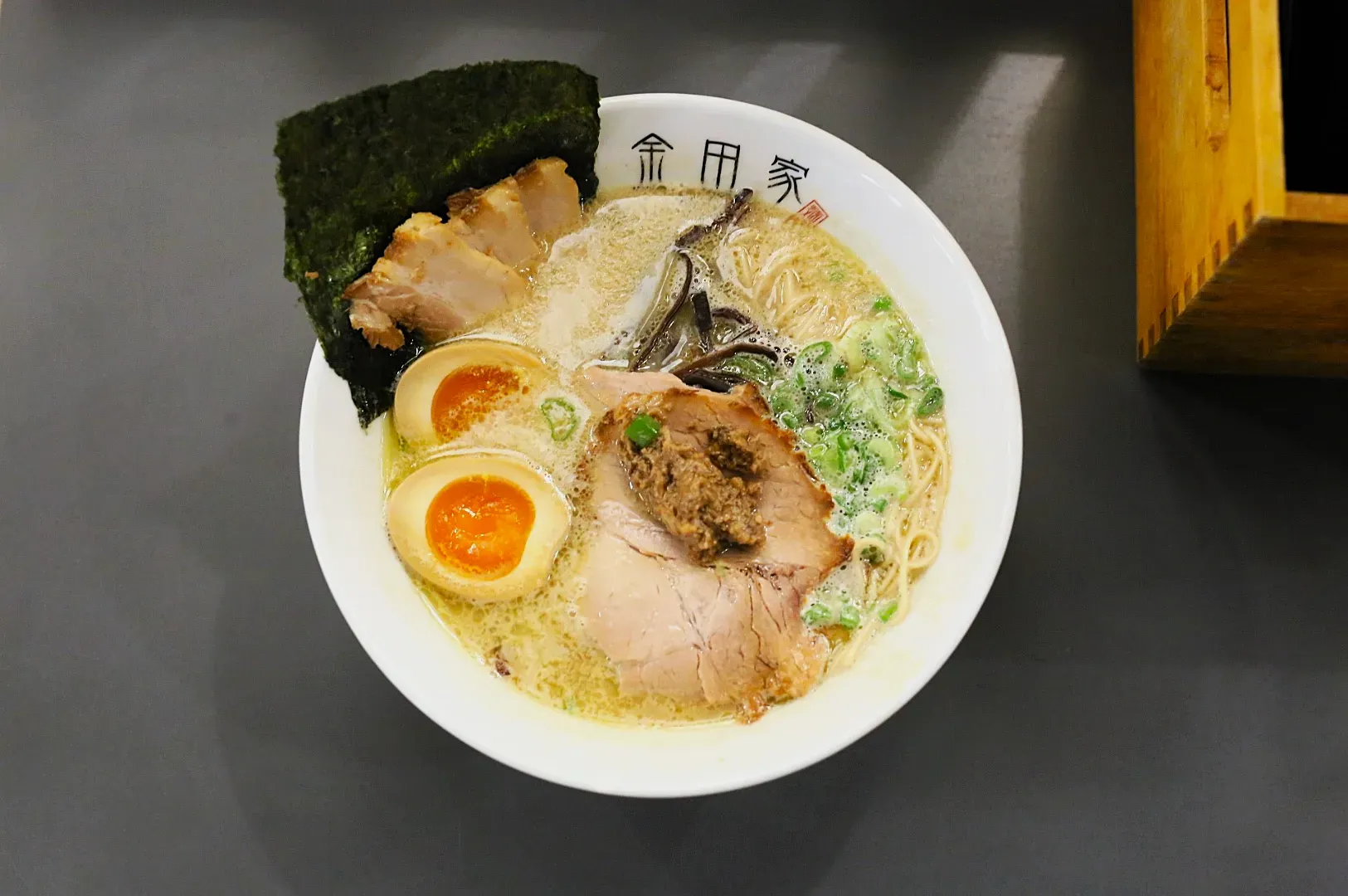
The instant noodle version, commonly called Buldak Bokkeummyeon, is different from the traditional Japanese ramen that many Singapore diners associate with rich tonkotsu broth or delicate chicken stock. Rather than serving the noodles in a generous amount of soup, the classic Buldak preparation involves cooking them in a pot, draining most of the water, and mixing them with a concentrated sauce.
This distinction changes the eating experience considerably. Without a large volume of broth diluting the seasoning, the sauce coats the chewy noodles directly. Every mouthful delivers a concentrated combination of spicy heat, sweetness, and savory depth.
It also helps explain why Buldak has become such a recognisable instant noodle product. The appeal is not limited to convenience. It offers a distinctive flavour experience that feels closer to a deliberately seasoned noodle dish than a conventional packet of soup noodles.
Samyang Foods and the Rise of Buldak Bokkeummyeon
The success of Samyang Buldak is closely connected to the rise of online food culture. Its fiery reputation made it a natural subject for reaction videos, tasting comparisons, and the famous Fire Noodle Challenge.
The challenge encouraged people to film themselves eating the noodles and reacting to their intense spiciness. What began as a Korean instant noodle product became an international talking point, introducing customers far beyond South Korea to the Buldak name.
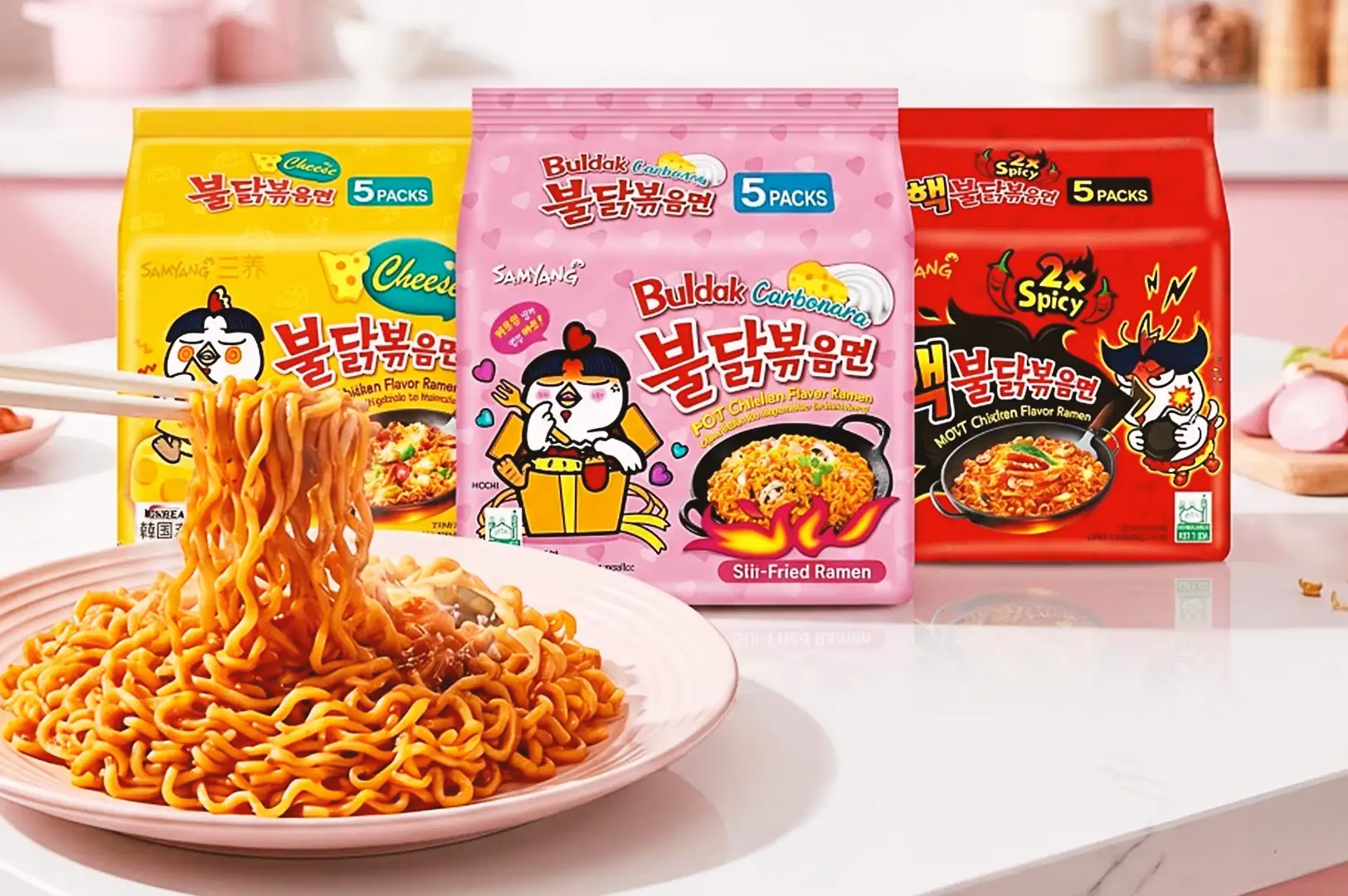
What interests me most is how the product moved beyond a novelty challenge. Samyang Foods expanded the range into different flavors, including Carbonara, Cheese, Habanero Lime, and other variations. This gave people reasons to explore the noodles beyond proving how much spice they could tolerate.
Today, someone who says they love Buldak ramen might be referring to the classic buldak, a creamy variation, or one of the more adventurous releases. The brand has become a small world of its own.
Why Buldak Sauce Makes Your Mouth Feel Like It Is Burning
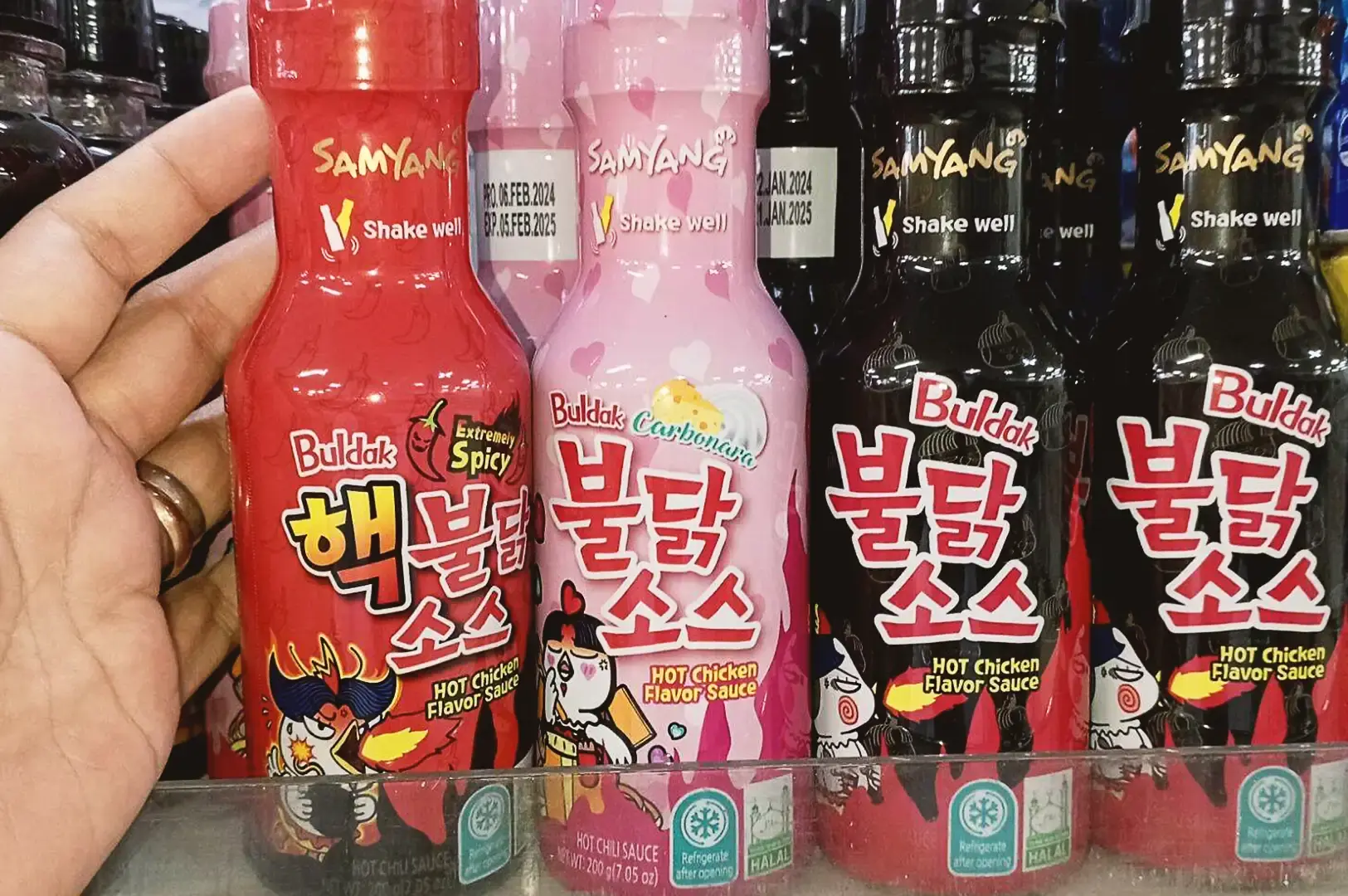
The sensation begins with a group of chemical compounds called capsaicinoids, particularly capsaicin, which is responsible for much of the pungency associated with chilli peppers.
Capsaicin activates a sensory receptor called TRPV1. These receptors are found on certain nerve endings and help the nervous system respond to potentially harmful heat and chemical irritation.
When capsaicin activates them, the nerves send signals that the brain interprets as burning.
Here is the interesting part: the spicy sauce does not need to raise the temperature of your mouth to make it feel hot. The sensation comes from chemical stimulation of the nerves rather than actual heating.
That is why eating Buldak noodles can feel dramatically different from eating an equally warm but non-spicy dish.
Why the Spicy Heat Feels So Real
The TRPV1 receptor is involved in detecting high temperatures as well as certain irritating chemicals. Capsaicin essentially activates part of the body's heat-warning system.
This also explains why spiciness is not technically one of the basic tastes. Sweetness, saltiness, sourness, bitterness, and umami are detected through taste mechanisms. Chilli pungency involves sensory pathways associated with irritation and pain.
The experience can extend beyond the tongue. Your lips may tingle, your nose may run, and your forehead may begin sweating.
These responses are part of how the nervous system reacts to the stimulation. The discomfort is genuine, even though the capsaicin itself has not made the food physically hotter.
Hot Chicken Flavor Ramen: Why Flavour Matters as Much as Fire
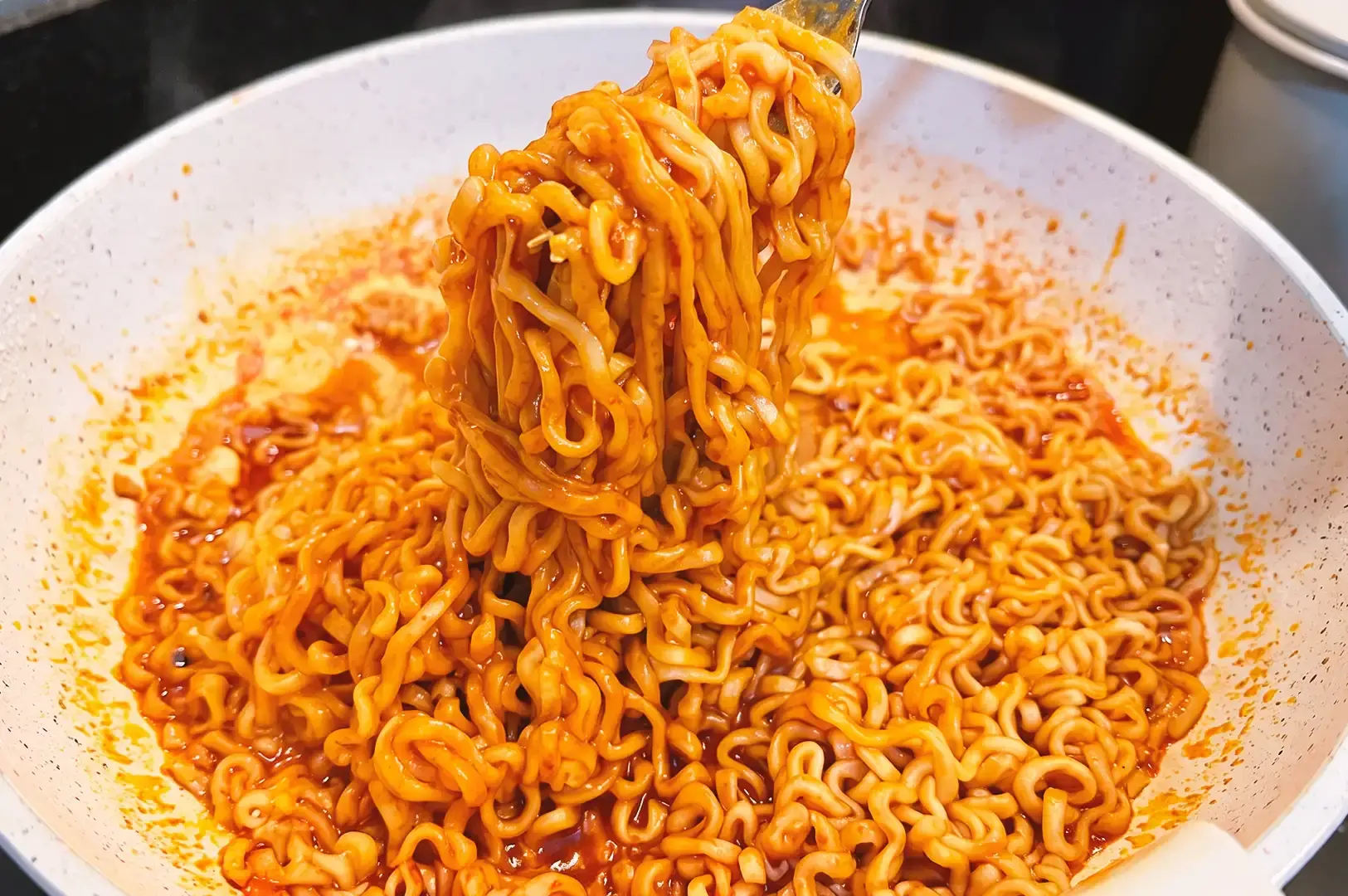
If Buldak were only about producing the strongest possible burning sensation, its appeal would be much narrower.
What makes the original Hot Chicken Flavor Ramen interesting is the combination of chilli pungency with other flavour elements.
The classic sauce has a pronounced sweet and savory character alongside its spicy chicken flavor profile. Depending on the product and market, seasoning ingredients can include soy sauce, garlic, and other flavouring components. The exact formulation should always be checked against the individual package.
The result is a sauce that offers more than heat. Sweetness creates contrast, salty ingredients add definition, and savory seasonings give the noodles a fuller taste.
A spicy dish becomes particularly enjoyable when those elements remain noticeable beneath the burn.
Chicken Flavor, Sweetness, and the Role of Seasoning
Despite the name, Hot Chicken Flavor Ramen should not automatically be understood as a bowl of chicken broth or a dish containing pieces of chicken.
The name describes the product's intended flavour profile. Different Buldak varieties may contain different ingredients, so anyone with dietary restrictions should check the relevant label rather than relying on the name.
The original seasoning also differs from traditional Korean stews that use ingredients such as gochujang, garlic, ginger, vegetables, and stock to develop their flavour.
Buldak's concentrated sauce creates a different effect. It delivers seasoning directly onto the noodle surface, with flakes providing additional texture and visual contrast.
This is where the balance becomes important. The spicy heat may dominate the first impression, but the underlying sweetness and savory notes are what make the experience more interesting than simply eating something painfully hot.
Spice Level: Why Some People Enjoy the Burn
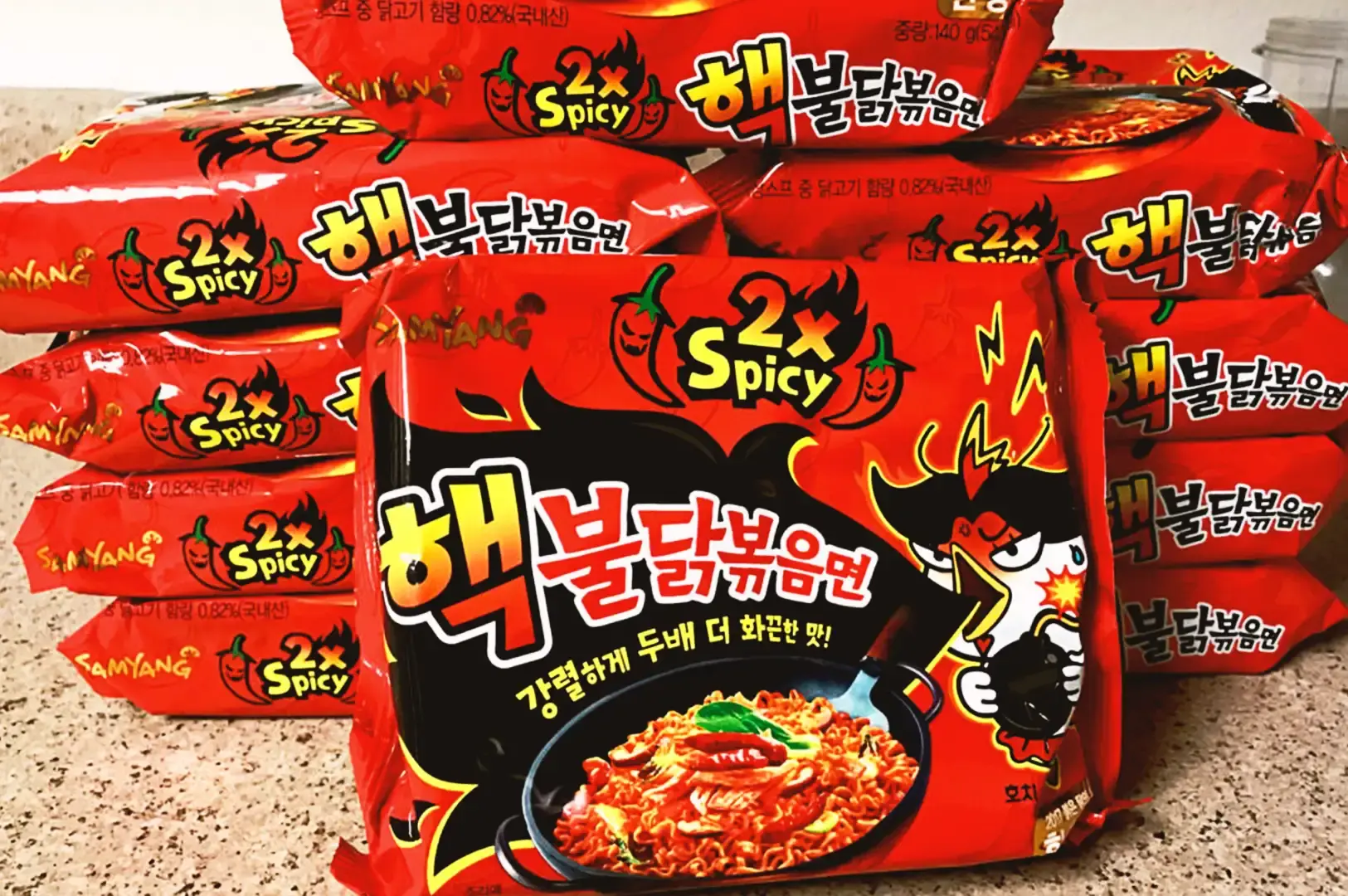
The most intriguing question remains: why would anyone deliberately choose something that activates pain-related sensory pathways?
Psychologist Paul Rozin explored a concept known as benign masochism, which describes the enjoyment people can find in experiences that initially feel unpleasant or threatening but are understood to be relatively safe.
Roller coasters and horror films offer familiar examples. The sensations can be uncomfortable, yet the knowledge that the experience is controlled makes them enjoyable for some people.
Spicy food can work in a similar way.
When someone eats a super spicy bowl of Buldak, the nervous system responds to capsaicin. At the same time, the person knows they are eating noodles rather than encountering an actual source of dangerous heat.
2X Spicy and the Appeal of Extreme Heat
The 2X Spicy variation illustrates how Buldak turned intensity into a recognisable part of its identity.
Often discussed among the spiciest instant noodles available in mainstream retail, this version is marketed as a hotter alternative to the original.
However, the name should not be treated as a precise scientific statement that every bite produces exactly twice the perceived heat. Spiciness is affected by formulation, concentration, and individual sensitivity.
People also experience capsaicin differently. Someone familiar with intensely spicy Korean food may find a particular pack manageable, while another person may find the original overwhelming.
Repeated exposure can sometimes change sensory responsiveness, but learning to tolerate chilli is not the same as learning to enjoy it.
Personally, I think that distinction matters. There is little value in treating a bowl of noodles as a test of personal worth. The pleasure should come from the food itself, not from forcing yourself through severe discomfort.
Beyond Classic Buldak: The Flavours That Change the Experience
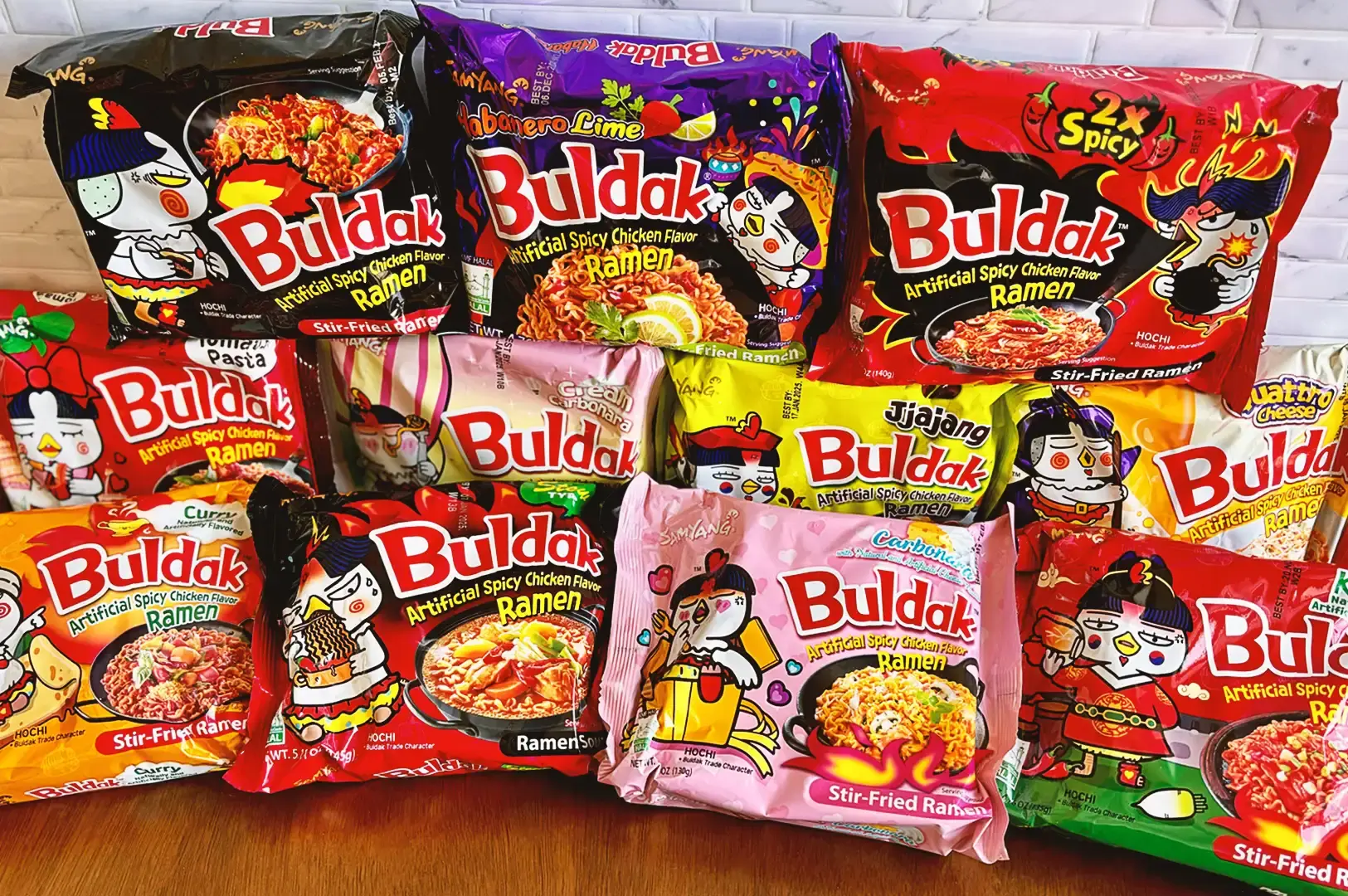
One of the clever aspects of the Buldak range is how different flavour combinations alter the perception of heat.
The original establishes the familiar sweet, savory, and fiery character. Other products introduce contrasting ingredients that make the experience feel richer, tangier, or more rounded.
Cream Carbonara, Cheese, and Buldak Quattro
Buldak Carbonara and Cream Carbonara introduce creamy seasoning profiles that contrast with the chilli sauce.
The creamy character can make the overall flavour feel softer and richer, even though the noodles remain spicy. Fat-containing ingredients can also influence the way capsaicin is distributed and experienced.
Cheese-based variations take this contrast in another direction. Buldak Quattro Cheese, sometimes shortened to Buldak Quattro, builds its identity around a combination of cheese flavours and chilli seasoning.
These products show why the perception of heat is not determined by chilli concentration alone. Sweetness, fat, aroma, texture, and other flavour elements all influence how a dish feels.
The same principle explains why people sometimes add cheese, milk, or other creamy ingredients to spicy noodles.
They are changing the balance of the experience rather than simply making the capsaicin disappear.
Habanero Lime and the Appeal of Contrast
Habanero Lime takes a different approach by combining chilli-inspired heat with a citrus flavour profile.
Lime brings a bright, tangy impression that contrasts with the heavier sweetness and savory seasoning often associated with Buldak.
That acidity can make the flavour seem more lively, although it does not automatically neutralise the capsaicin responsible for the burning sensation.
Other Buldak products, including certain rosé-style variations, explore similar ideas through creamy, sweet, or savoury contrasts.
For anyone curious about the range, these differences are more meaningful than simply asking which package is hottest.
They demonstrate how flavour design can reshape the same basic spicy noodle concept.
Why Water Struggles Against Buldak's Spiciness
When a bowl becomes uncomfortably hot, reaching for water feels instinctive.
Unfortunately, water is not particularly effective at removing capsaicin from the mouth because capsaicin does not dissolve readily in it.
Cold water may provide temporary relief through its temperature, but the burning sensation can return quickly.
Milk can be more effective. Its fat and proteins, including casein, can help interact with capsaicin, while the cold temperature may also contribute to relief.
The same reasoning helps explain why a creamy sauce may change the perceived intensity of spicy noodles without eliminating the chilli compounds.
And while an ordinary serving of spicy food is generally manageable for people who tolerate it, excessive chilli exposure can cause significant discomfort. Severe irritation is a reason to stop eating, not a challenge to overcome.
Why Buldak Became More Than an Instant Noodle

I find it remarkable that a product associated with convenience has generated so much discussion about flavour, culture, and human behaviour.
Buldak began as a South Korean instant noodle with an unusually bold identity. Its popularity grew through the Fire Noodle Challenge, international distribution, and a widening range of flavours.
But its continued appeal cannot be explained by internet challenges alone.
People return to foods they find satisfying. For some, that means the sweet and savory seasoning of classic Buldak. Others prefer the cheesy richness of Carbonara or Quattro Cheese, while more adventurous customers enjoy the intensity of 2X Spicy.
What began as a packaged noodle product has become something people adapt to their own preferences.
Neither approach needs to replace the other. They simply offer different ways to appreciate noodles.
The Last Slurp: Finding Pleasure Beyond the Fire
Buldak ramen offers a surprisingly good lesson in how complicated our relationship with food can be.
The sauce contributes sweetness and savory depth. The chewy noodles carry the seasoning. Creamy, cheesy, and citrus-inspired variations demonstrate how different flavours can change our perception of spice.
And somewhere within all of that is the simple pleasure of discovering a food that challenges our expectations.
That is why I think Buldak deserves attention beyond its reputation as a fiery internet sensation. It brings together sensory science, Korean food culture, and the creativity of modern instant ramen noodle production in a format that almost anyone can explore.
The next time you prepare a bowl, pay attention to the sweetness before the heat builds, the way the sauce coats the noodles, and the flavours that remain noticeable between mouthfuls. Whether you prefer classic Buldak or a gentler creamy variation, there is more to discover than how much spice you can handle.